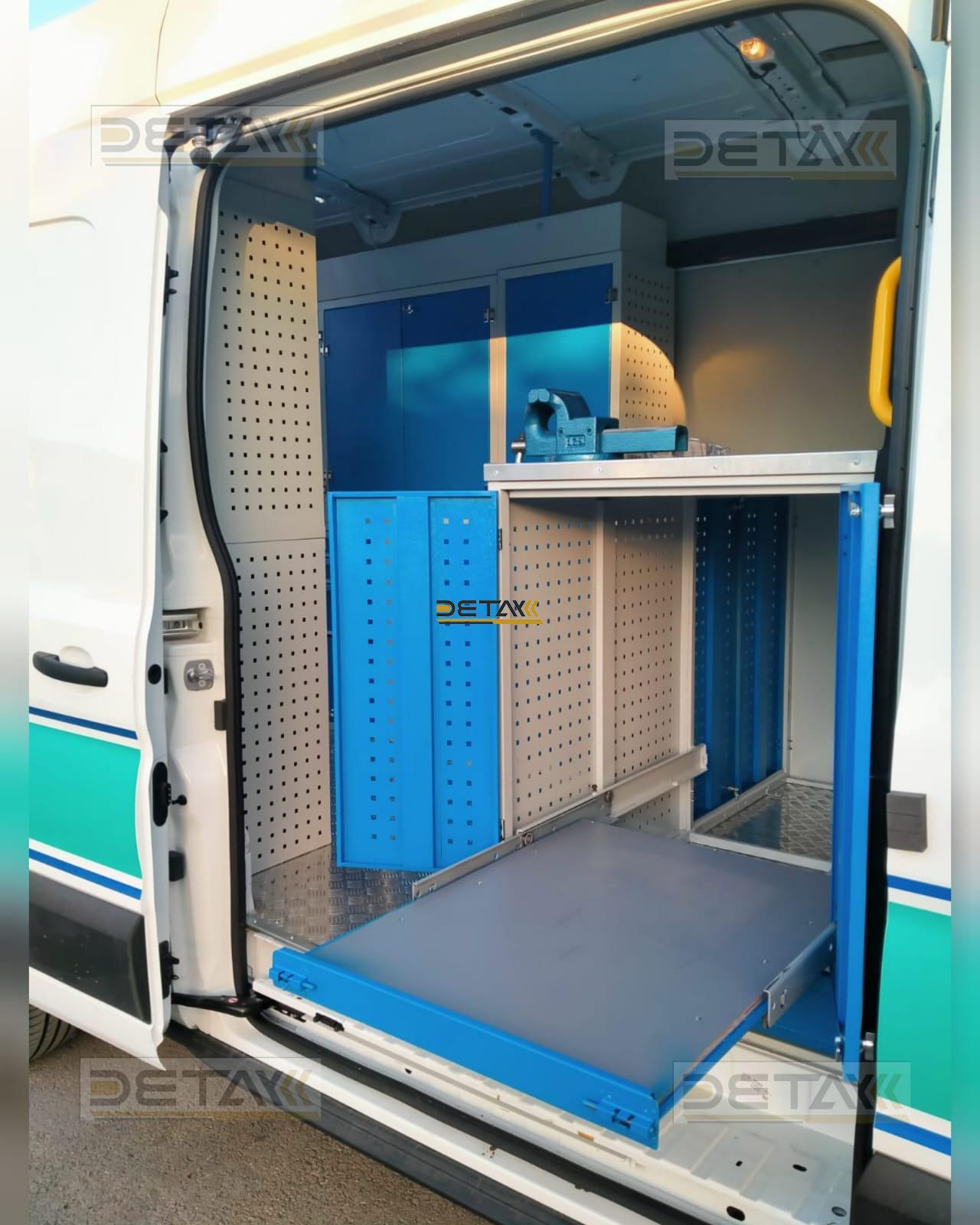


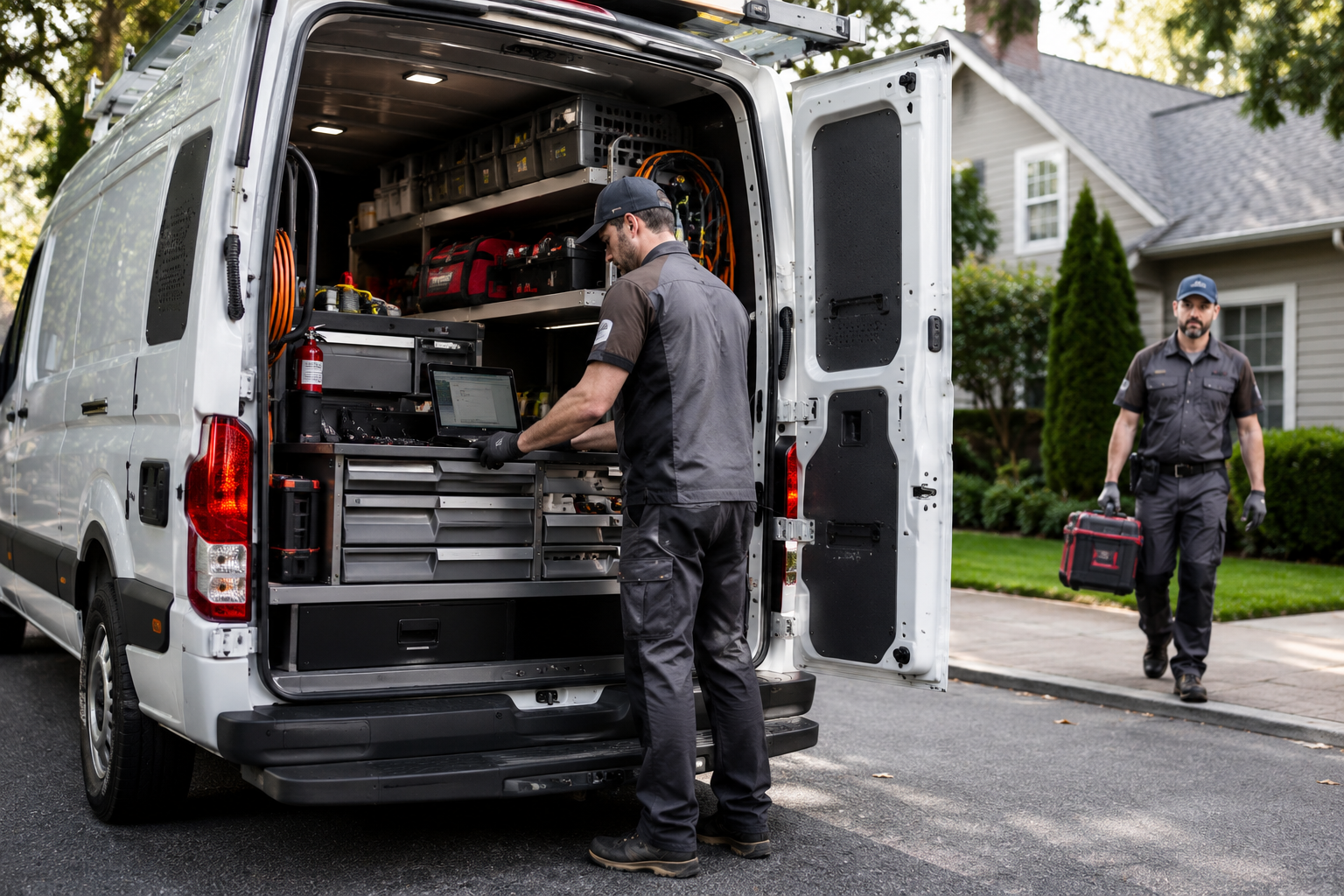
When I think about downtime for mobile service teams, I do not only think about the vehicle sitting still because of a technical fault, because in real life downtime usually begins much earlier and in much quieter ways, such as the technician spending extra minutes searching for the right socket, opening three different boxes to find a tester, moving loose materials just to reach one important part, or driving back to the workshop because something simple was packed badly or forgotten altogether, and this is exactly why in-vehicle equipment systems make such a visible operational difference 😊 A service van is not just transportation, it is a moving workshop, a mobile inventory point, a response unit, and often the first physical expression of a company’s professionalism at the customer site, so when the inside of that vehicle is disorganized, the team loses time before the actual job even begins. This is where Detay Industry becomes genuinely valuable, because a properly designed vehicle interior does far more than look tidy, it reduces wasted motion, shortens job preparation time, protects tools and materials, and helps the technician arrive ready instead of arrive stressed.
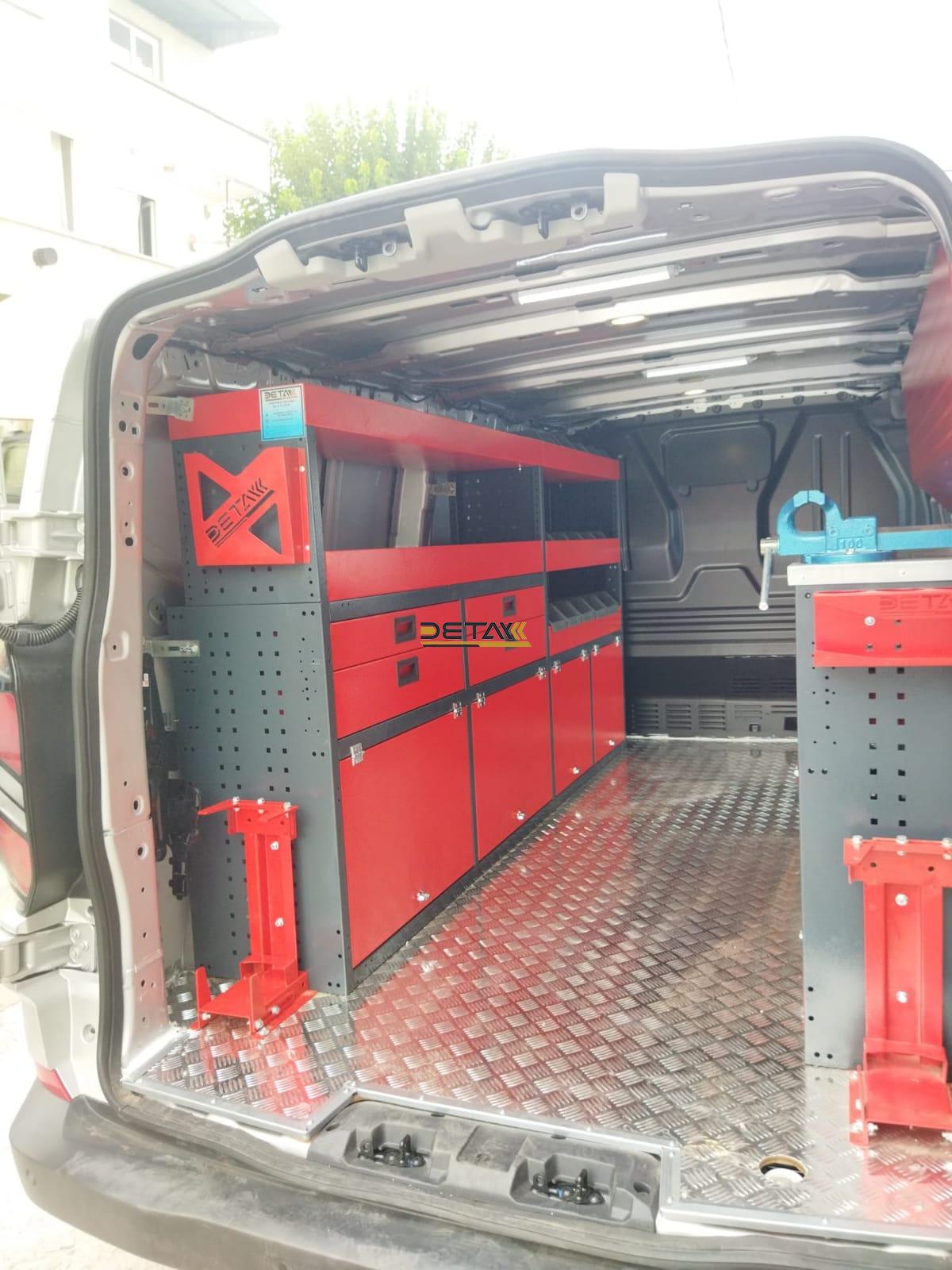
The first and most obvious way these systems reduce downtime is by turning search time into direct access time, and I think this matters more than many companies initially realize, because in a mobile team every tiny delay compounds into customer waiting, route inefficiency, schedule disruption, and technician fatigue. A properly planned in-vehicle equipment rack allows tools, parts, and frequently used items to live in visible, stable, and repeatable positions, which means the technician no longer relies on memory, luck, or habit under pressure. Instead of treating the van like a large box that happens to have wheels, the team starts using it like a structured workstation where access supports the job from the first second. I always picture this like opening a well organized kitchen drawer where the spoon is always where your hand expects it to be, because once that consistency exists, speed stops depending on effort and starts depending on design ✨
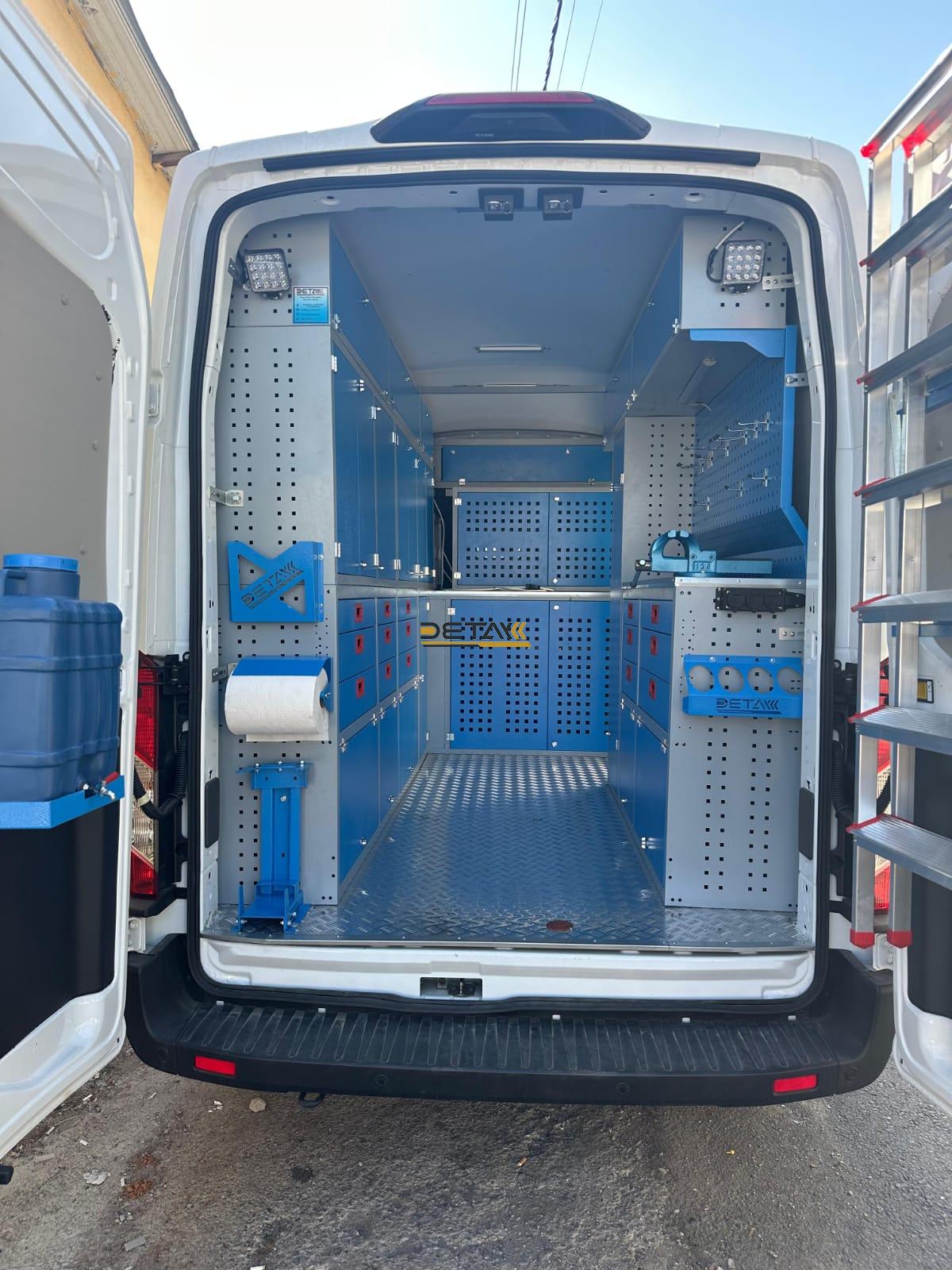
Another major advantage is that a good in-vehicle cabinet system reduces the risk of damaged equipment and misplaced consumables during transit, and this has a direct relationship with downtime because technicians lose precious time whenever items shift, break, mix together, or become hard to retrieve safely. A chaotic van invites double handling, and double handling always steals time. What I like about well designed storage compartments, drawers, dividers, and shelves is that they reduce the need to repack, rearrange, or “dig through” the vehicle every time a call changes priority. If the equipment already has a defined home, then the van remains ready between jobs rather than needing a small reset after every stop, and that daily continuity is incredibly powerful for field teams that run tight schedules. This is one of the reasons I see Detay Industry as a practical partner rather than only a product brand, because the company’s logic is based on how mobile teams actually work when the day becomes fast, messy, and unpredictable.
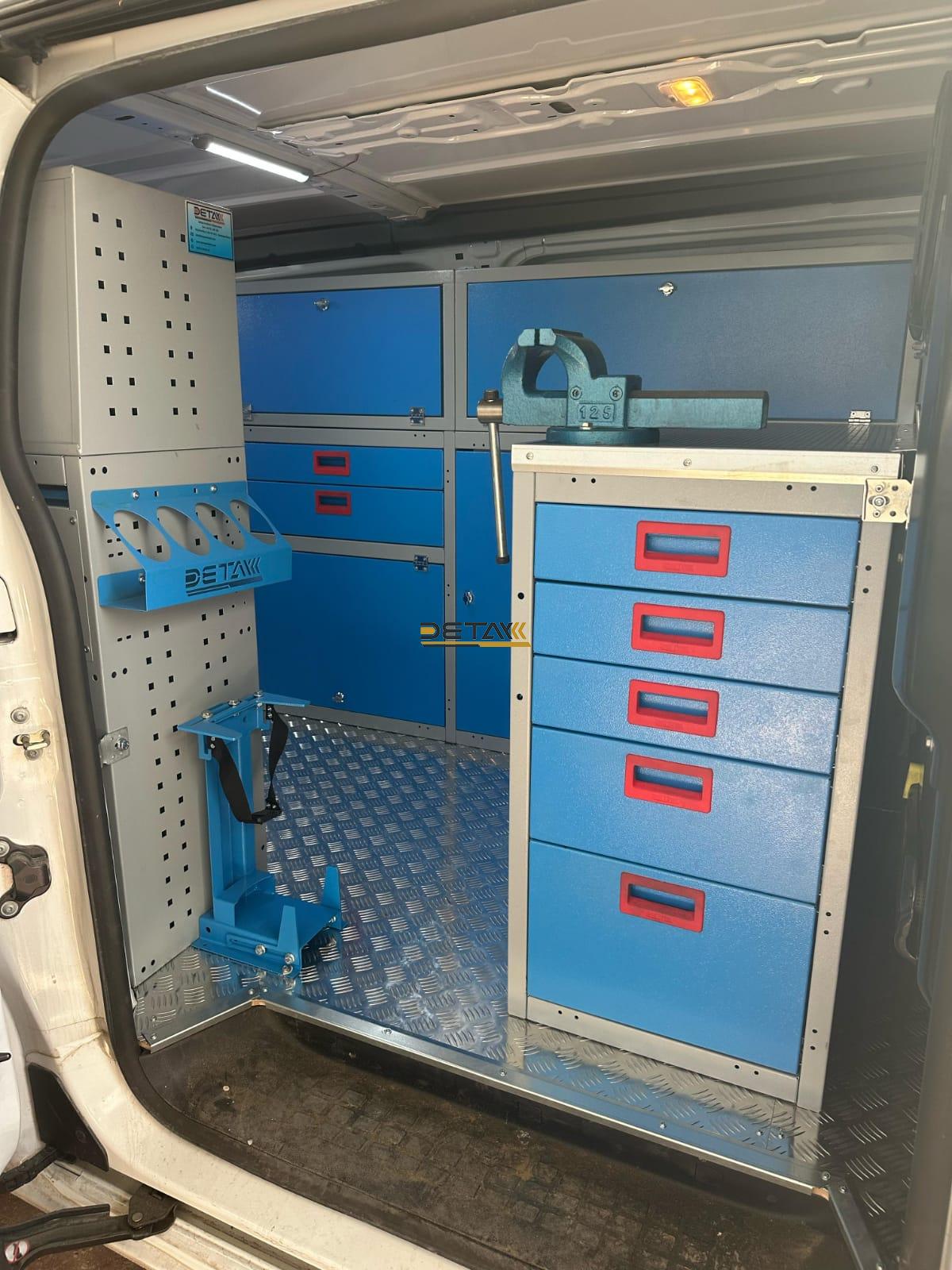
Downtime also drops when technicians can prepare and complete jobs without unnecessary physical strain, because awkward reaching, repeated bending, and poor access do not just affect comfort, they affect pace, concentration, and even the chance of minor handling mistakes that slow the whole visit. This is where the design principles behind OSHA ergonomics guidance become very practical on the road, since fitting the workspace to the worker helps reduce fatigue and improve productivity. A well planned in-vehicle tool cabinet places high use tools closer to natural reach zones, while fixed drawers and shelves keep heavier items in more predictable positions, which means the technician wastes less energy wrestling with the workspace before even touching the customer’s issue. I think this is such an overlooked source of efficiency, because companies often measure route time and repair time, but they forget to measure the invisible seconds lost to poor access, and those seconds can quietly become hours over the course of a week ❤️
| Operational Issue | Poorly Organized Vehicle | In-Vehicle Equipment System |
|---|---|---|
| Tool retrieval | Search time increases at every stop | Tools are stored in fixed, visible positions |
| Parts protection | Items shift, mix, or get damaged in transit | Compartments and drawers improve stability |
| Job preparation | Technician spends extra time unpacking and sorting | Equipment is ready at point of use |
| Repeat visits | Missing items cause return trips | Standardized storage improves load accuracy |
| Technician fatigue | Awkward access slows movement | Better reach and layout support smoother work |
There is also a powerful planning benefit here, because once a van is built around a structured in-vehicle rack system, companies can standardize what each team carries, how each drawer is assigned, and how restocking happens at the end of the shift, which makes the operation far more repeatable. Standardization is not boring in this case, it is liberating, because it means the technician knows where things are, the dispatcher knows what the team likely has on board, and the service manager can reduce guesswork around job readiness. I really love that kind of system thinking, because it turns the van into a dependable process instead of a personal habit shaped differently by each technician. When mobile teams work across multiple vehicles, that consistency becomes even more important, since one person can step into another van and still operate confidently without losing time learning a new storage puzzle.
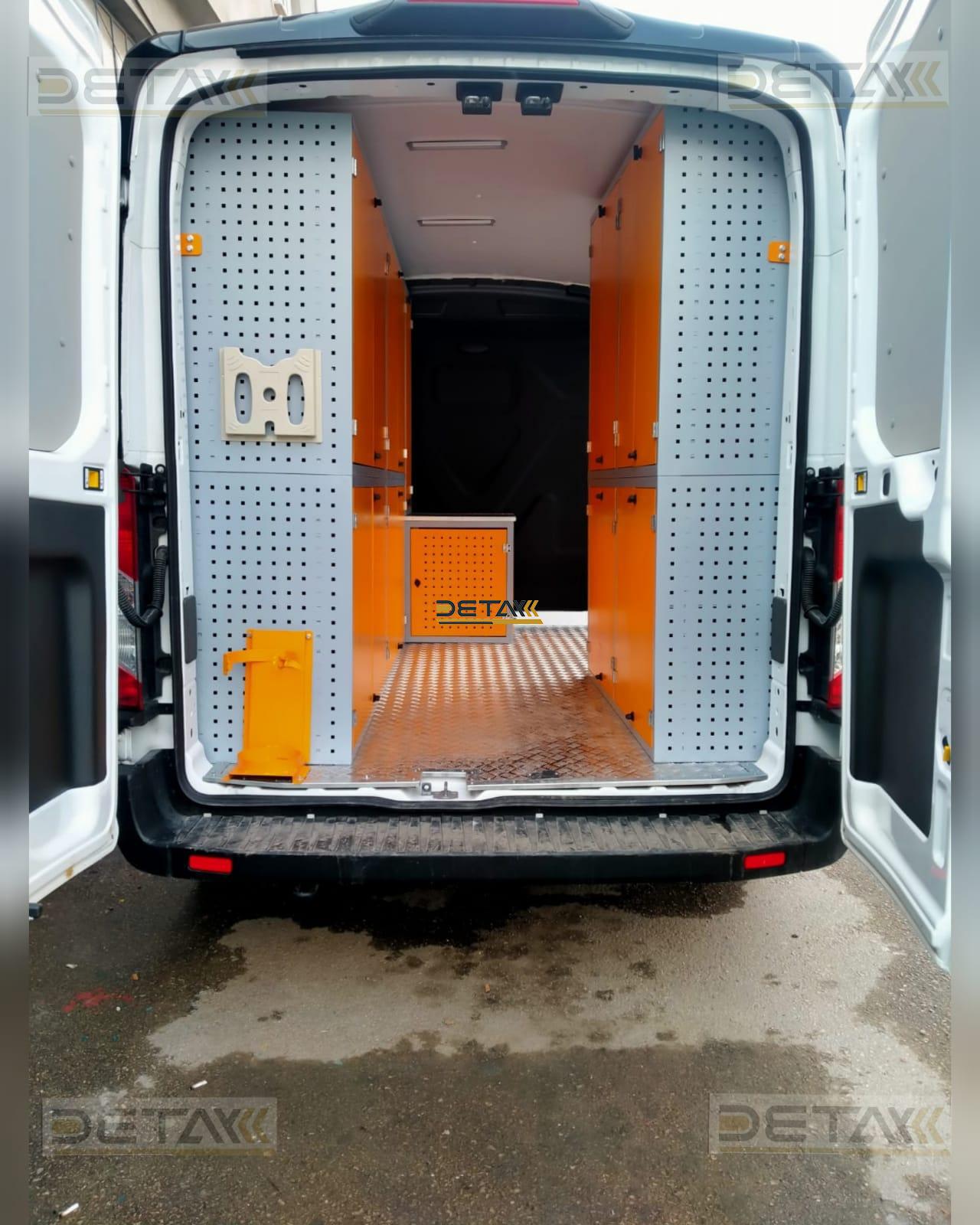
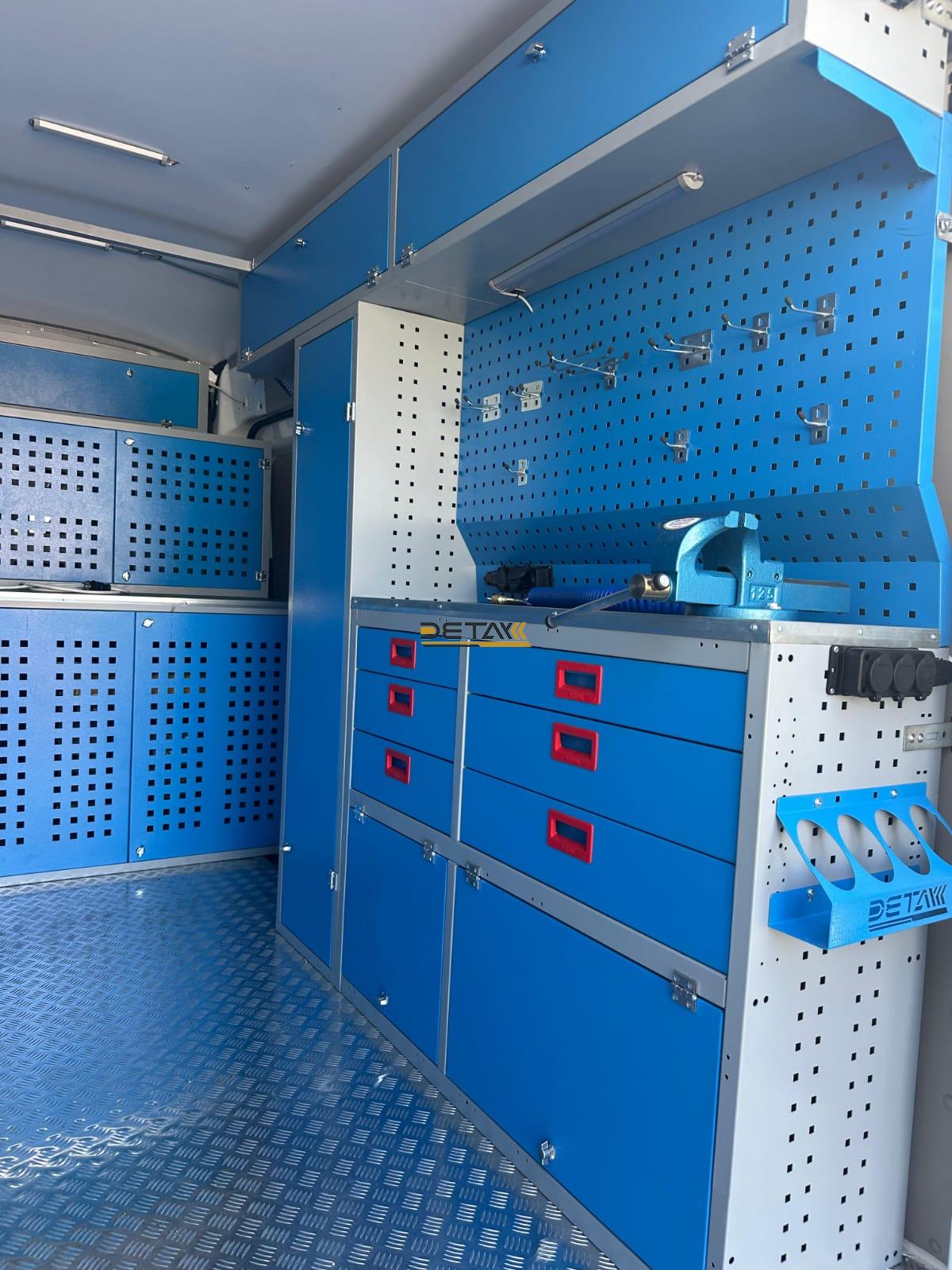
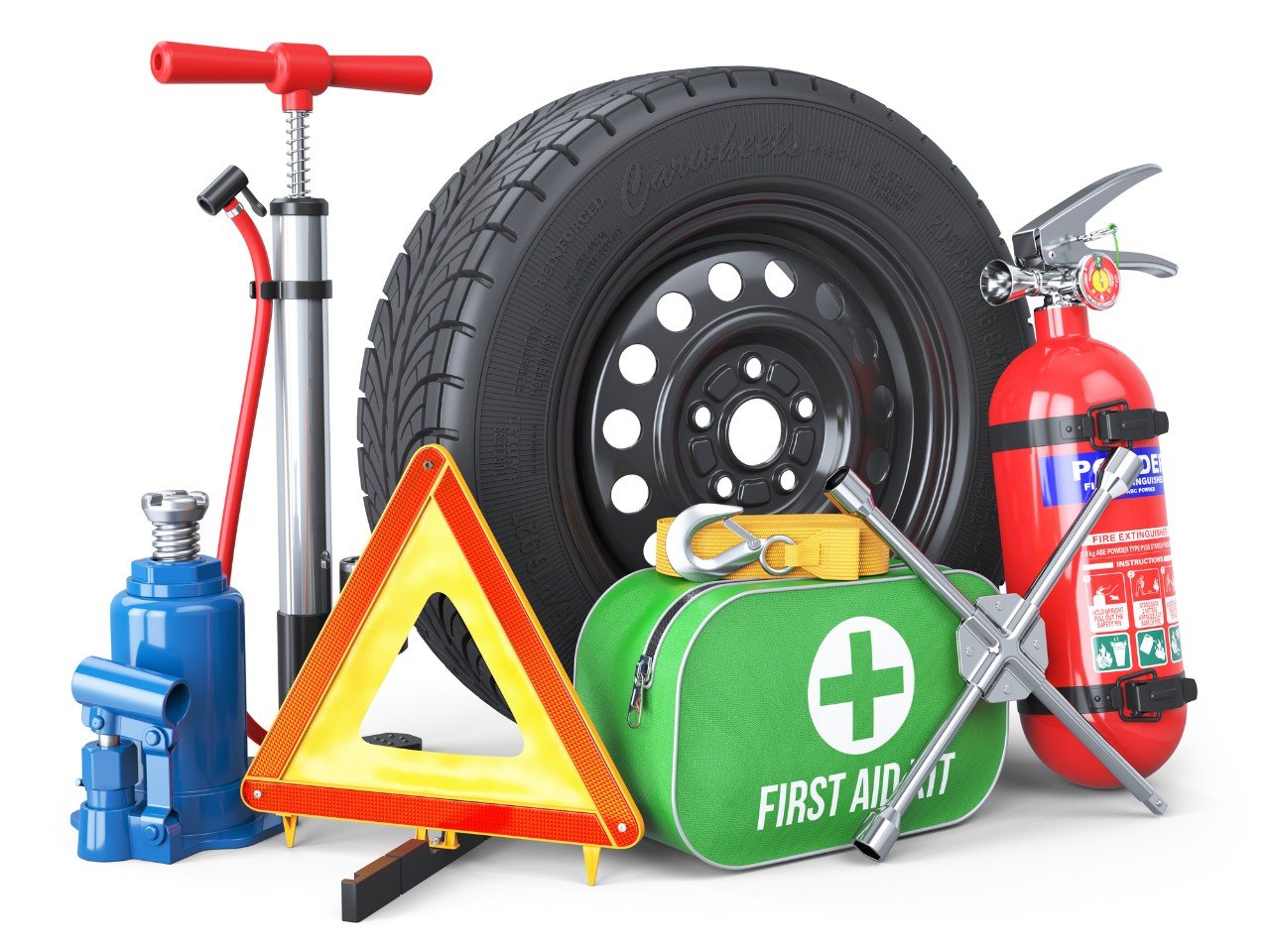
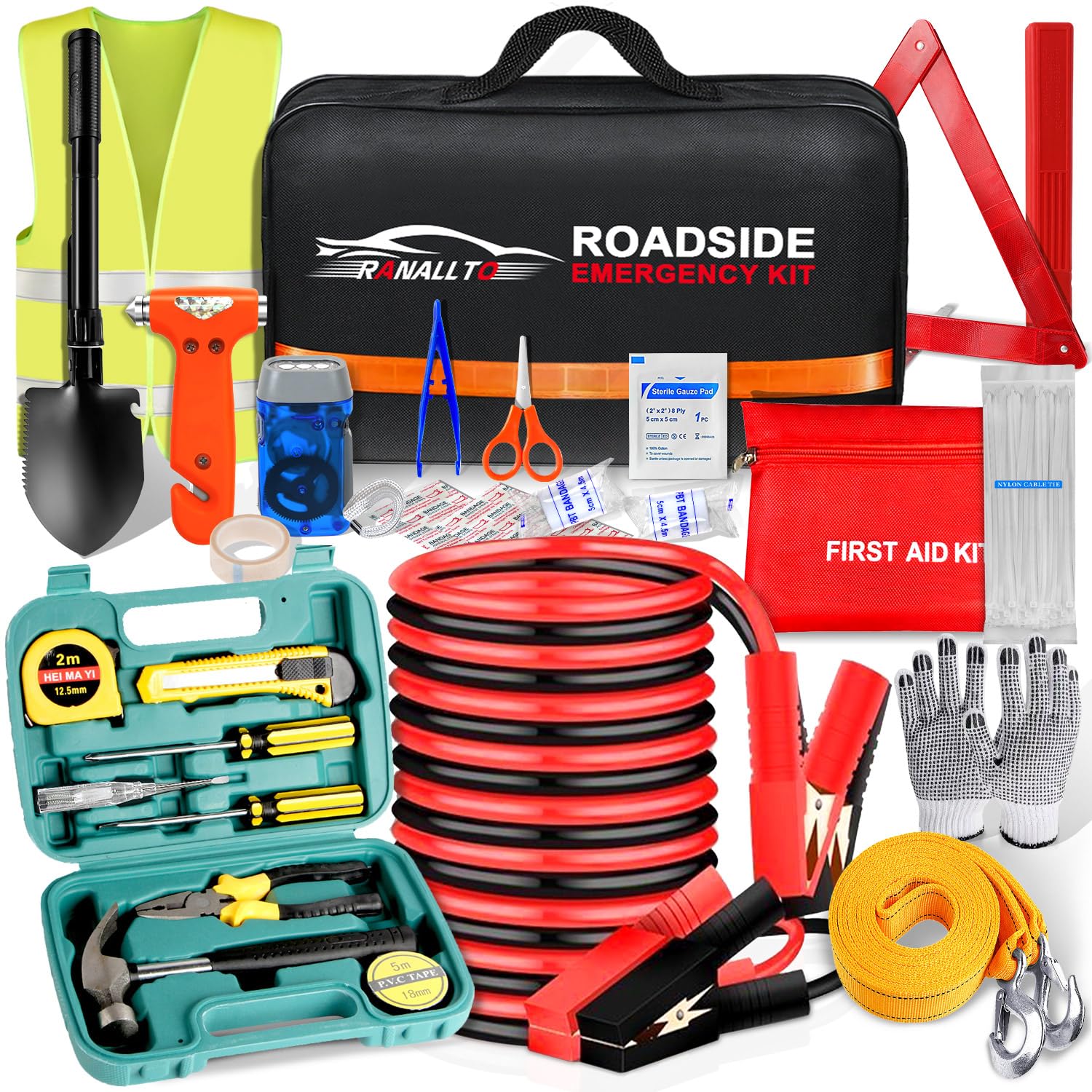
One of the clearest real world examples is roadside support, where speed is not just a productivity advantage but often a customer trust issue too. In a roadside assistance vehicle, every extra minute spent searching the interior makes the service feel less controlled and less professional, especially when the technician is already working under weather pressure, traffic pressure, or customer frustration. A van that uses a defined in-vehicle material cabinet layout gives the team immediate visual order, faster access to emergency items, and a much smoother transition from arrival to intervention. I think that emotional effect matters too, because when a technician opens the doors and everything looks ready, fixed, and intentional, both the worker and the customer feel more secure. That kind of confidence reduces hesitation, and reduced hesitation usually means less downtime in the most practical sense possible.
I also think these systems reduce downtime by improving how mobile teams manage mixed equipment, because many service teams do not carry only hand tools, they carry fittings, spare parts, test devices, cables, safety items, documents, consumables, and sometimes even a compact workbench function inside the vehicle itself. If those categories are not separated intelligently, then the van becomes a moving bottleneck where every task starts with a mini cleanup. A smart in-vehicle cabinet layout keeps categories distinct and supports a natural sequence of use, so the technician reaches first for what is needed first instead of handling five irrelevant items before finding the right one. This is why I do not see vehicle racking as an accessory. I see it as operational choreography. It quietly tells the hands where to go next, and when the hands know where to go next, the job moves faster 😊
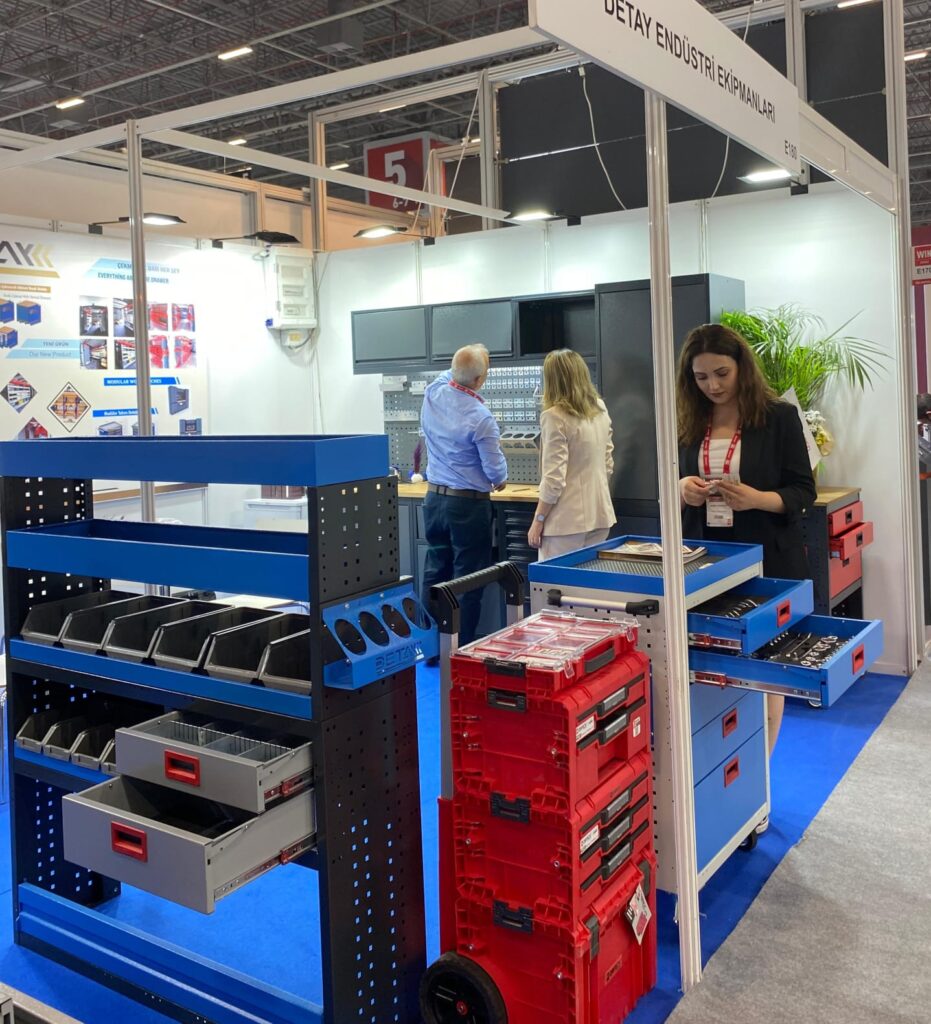
Let me give a simple example that feels very real to me. Imagine two technicians arrive at separate customer sites for similar maintenance calls. The first opens a van with loose cases, stacked cartons, mixed fasteners, and unmarked containers, then spends seven or eight minutes identifying where the right tester and replacement part ended up after the previous job. The second opens a van with a clearly segmented in-vehicle rack layout, dedicated drawers, labeled consumable zones, and a stable top area for quick staging, then starts work almost immediately. On paper, both teams had the same driving time and the same technical skill, but only one of them brought a usable workspace to the customer. That difference is exactly where downtime gets reduced in the field, not by working harder, but by making readiness part of the vehicle itself.
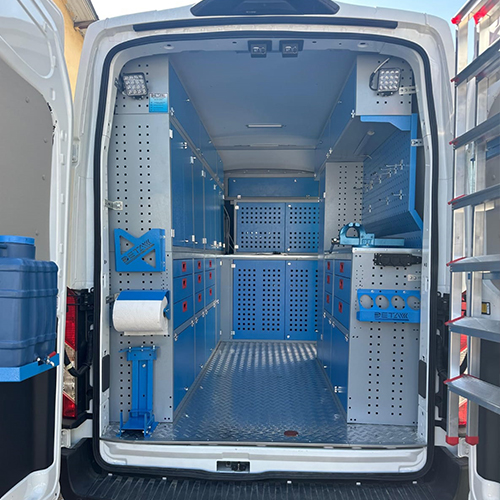
What makes this even stronger is that good vehicle systems support broader fleet efficiency goals too. Better organization can help reduce repeat visits caused by missing items, keep tools in serviceable condition for longer, and make daily replenishment much easier to audit, which is why companies focused on fleet operations often connect organization, uptime, and cost control so closely. I think this bigger picture is important, because the mobile service team is not only solving today’s job, it is also protecting tomorrow’s schedule, and that is much easier when the van interior is designed as part of the operating system rather than treated as empty space to be filled however convenient in the moment. This is another reason I would point serious field service businesses toward Detay Industry, because the brand’s approach aligns very naturally with the real needs of companies that want less wasted motion and more reliable response.
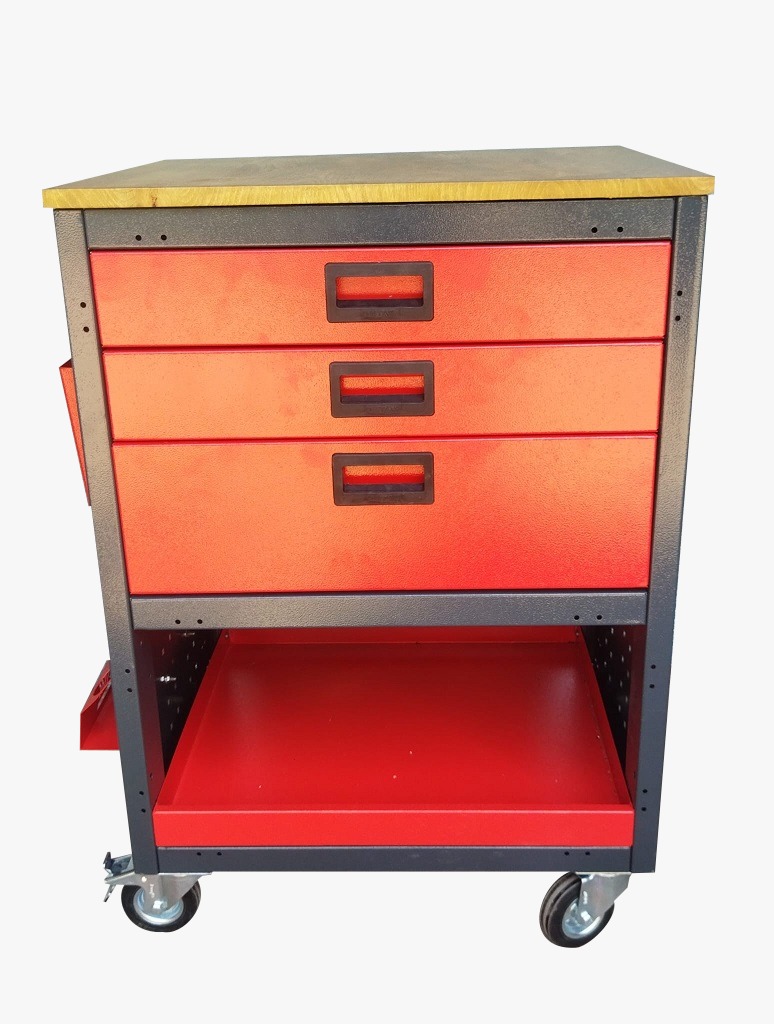
In the end, in-vehicle equipment systems reduce downtime because they remove the little frictions that steal time from every single service visit, and I think that is the most honest and useful way to say it. They shorten search time, lower handling stress, protect equipment, improve loading discipline, support standardization, and help technicians start real work faster once they arrive. When a mobile service van is organized well, it stops behaving like transport with tools inside and starts behaving like a true mobile workshop, and that transformation is exactly what makes **Detay Industry** such a strong fit for teams that want field speed, consistency, and professionalism to work together rather than compete 🚀