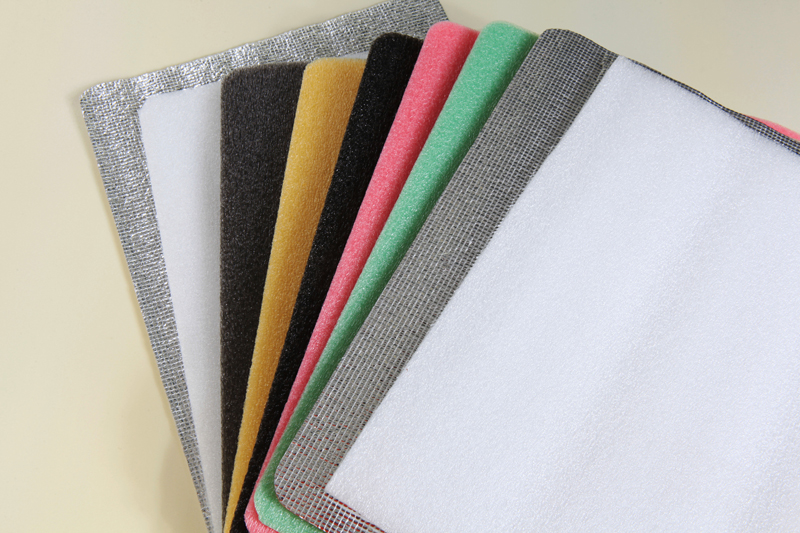

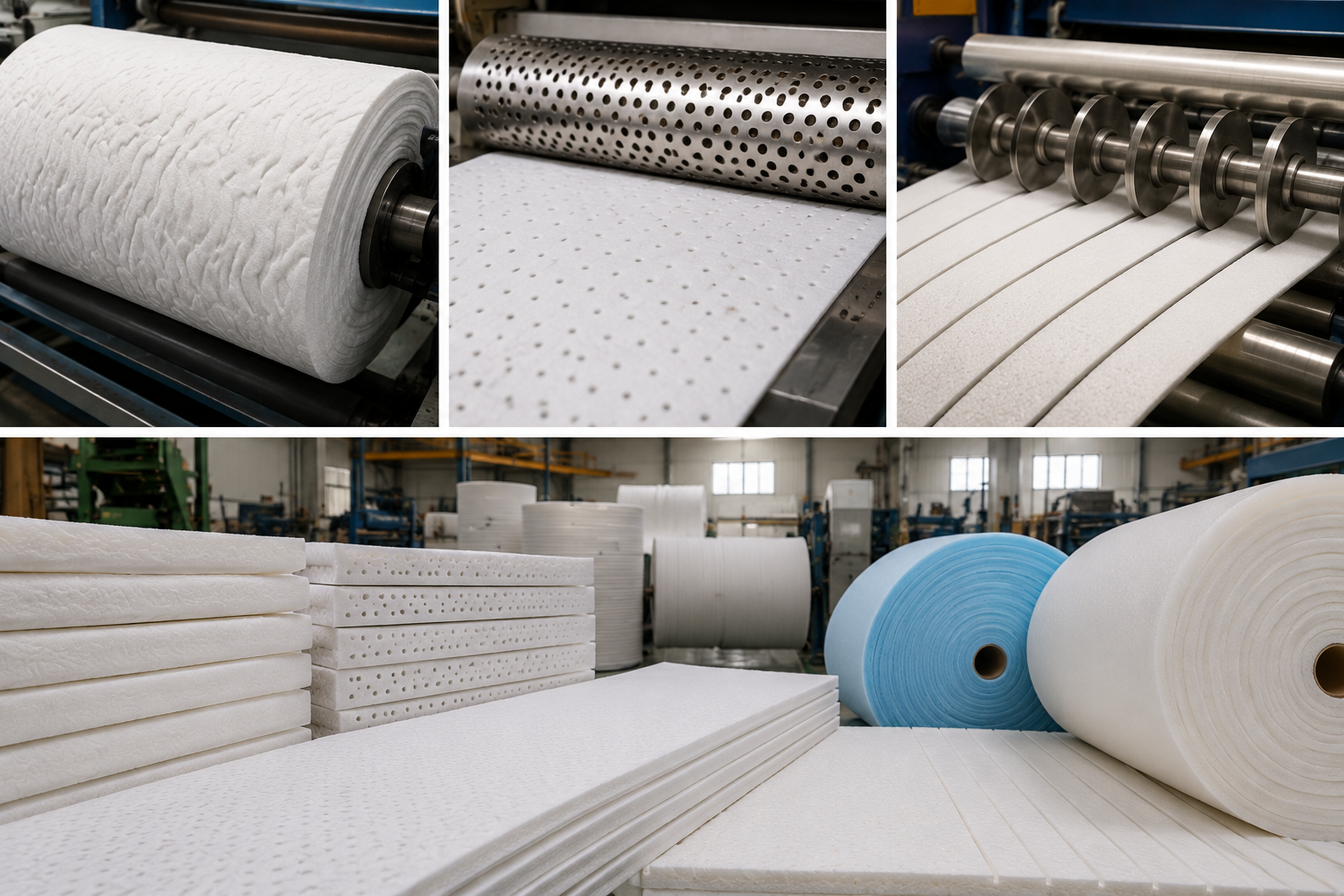
When I think about polyethylene foam in industrial production, I never see it as only a sheet, a roll, or a soft protective layer, because the real power of foam appears when it is converted into the exact shape, texture, thickness, opening pattern, drainage behavior, and application format that a project truly needs 😊. A standard foam material can protect, cushion, insulate, and separate surfaces, but a project specific foam solution can do something much more valuable: it can fit into the rhythm of the customer’s production line, reduce manual adjustments, improve product performance, and help teams solve details that standard materials cannot handle properly. This is exactly why patterning, perforation, slicing, dimensioning, lamination, adhesive tape application, and PE tube production are so important in modern industrial foam use. According to the official Durfoam solutions page, special customer requests can be met through production possibilities such as lamination, adhesive tape application, slicing in requested width, dimensioning, PE tube production, pattern design on PE foam, and perforation for water or liquid drainage applications, and this flexible approach turns foam from a basic raw material into a real engineering partner.
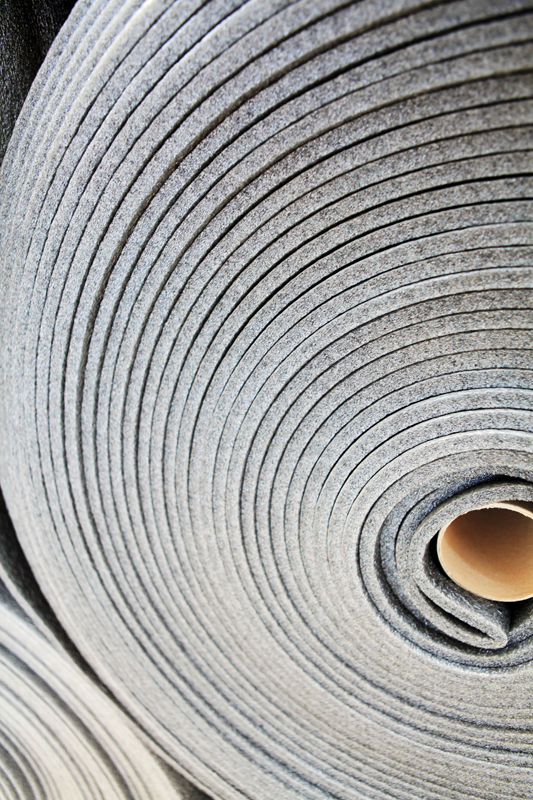
As a polyethylene foam manufacturer, Durfoam brings this custom production logic into many sectors where one standard material size cannot satisfy every detail, because automotive parts, HVAC insulation elements, sports layers, medical inserts, packaging separators, white goods protectors, electronics cushions, footwear components, and construction insulation products all have different geometry, pressure, drainage, surface, and assembly expectations. I like to compare customized polyethylene foam to a tailor made suit rather than ready made clothing; the fabric may be similar at first glance, but when the cut, fit, pattern, and finishing details match the body perfectly, the result feels more professional, more comfortable, and more reliable.
Why Custom Foam Converting Matters in Real Production
In real production environments, the problem is rarely solved by saying “use a foam sheet” and walking away, because the operator may need a strip that fits a narrow edge, the engineer may need perforations that allow liquid drainage, the designer may need a patterned surface for grip or visual identity, and the logistics team may need a sliced roll that saves labor during packaging. This is why a pe foam manufacturer with converting capabilities becomes much more useful than a supplier that only sells standard rolls, because the converted foam can arrive closer to its final form and reduce the amount of cutting, trimming, taping, and improvisation on the customer side. Industry sources on foam fabrication also note that polyethylene foam can be integrated into customized assemblies through processes such as lamination, die cutting, thermoforming, and adhesive bonding, which supports the idea that foam performance is strongly connected to how well the material is processed for the final application.

| Service | What It Means | Where It Helps | Practical Benefit |
|---|---|---|---|
| Patterning | Creating a designed surface or texture on PE foam | Grip surfaces, visual finish, technical contact areas, sports and protective products | Better functionality, more controlled surface behavior, and improved product identity |
| Perforation | Opening frequent holes or drainage paths in the foam | Water drainage, liquid flow, ventilation, outdoor and sports applications | More suitable performance in environments where trapped liquid would create problems |
| Slicing | Cutting foam into requested widths or strips | Adhesive tapes, packaging strips, edge protection, sealing and spacing applications | Faster application, less waste, and easier production line handling |
| Dimensioning | Cutting width and height according to customer demand | Custom plates, inserts, separators, pads, and industrial protection pieces | Better fit, repeatable size, and lower manual cutting workload |
Patterning: Giving Foam a Functional Surface Personality
Patterning is one of those services that may look simple at first, yet it can change how the foam feels, grips, drains, presents itself, and interacts with another surface. A patterned PE foam surface can support applications where texture matters, such as protective pads, sports layers, footwear components, industrial mats, packaging surfaces, and parts where contact behavior must be more controlled than a plain surface can offer. In some products, patterning can support visual distinction; in others, it can help with grip, separation, or tactile feeling. When I see a patterned foam surface, I think of tire tread on a road 🚗, because the material underneath is important, but the surface design decides how confidently it meets the world.
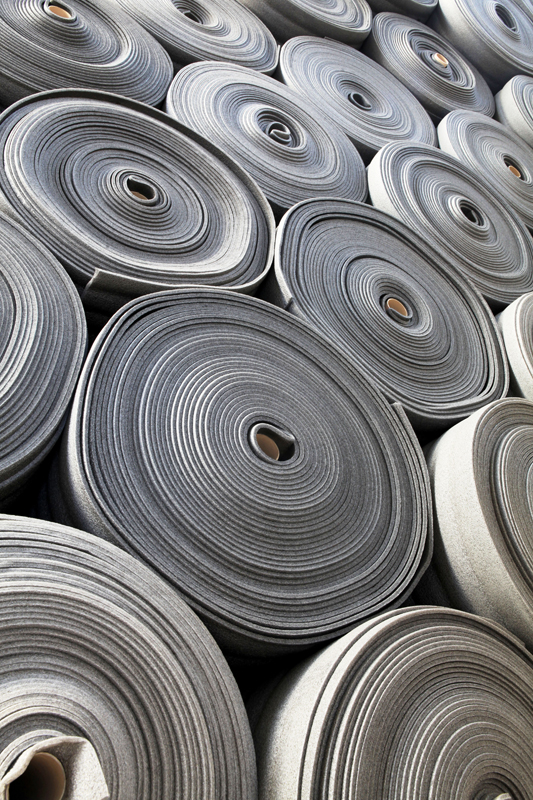
This service becomes especially meaningful when the foam family is selected correctly before the pattern is applied. A physically cross linked polyethylene foam manufacturer solution such as DurProx may be preferred when a finer surface, clean appearance, dimensional stability, and more refined material behavior are important, while a chemically cross linked polyethylene foam manufacturer solution such as DurSolex can be considered when durable closed cell performance, insulation, elasticity, and external condition resistance matter more. The key is simple: patterning should not be treated as decoration alone, because the best surface design supports the actual job of the product.
Perforation: When Foam Needs to Breathe, Drain, or Release Liquid
Perforation is extremely useful when foam must allow water, liquid, air, or pressure movement in a controlled way, and this is especially relevant in sports and recreation layers, drainage focused applications, protective pads, packaging designs, and industrial components where trapped liquid could reduce performance. The official solutions page mentions perforation for water or liquid drainage applications, and this detail is important because closed cell polyethylene foam naturally resists water absorption, so perforation can be used when the project needs controlled passages through the foam while still benefiting from the material’s cushioning, insulation, and moisture resistant character. In other words, perforation is like adding planned streets through a strong city wall; you do not remove the strength of the city, you simply create intentional routes where movement is needed.
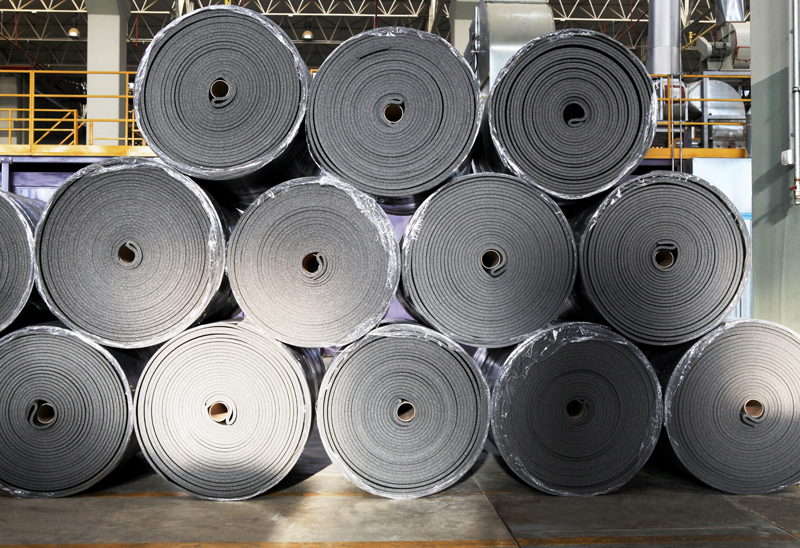
For example, imagine a shock absorbing foam layer used under an outdoor sports or playground system where rainwater must not remain trapped above the base layer. A non perforated layer may create unwanted water accumulation depending on the system design, while a perforated foam layer can help water move through the correct drainage path and support more reliable surface behavior after rain. The same logic can apply to protective pads that need airflow, packaging pieces where pressure release is useful, or industrial components where liquid management matters. A polyethylene foam manufacturer with project specific perforation capability can therefore help customers keep the protective benefits of PE foam while adding the drainage behavior required by the application.
Slicing and Dimensioning: Small Cutting Details, Big Production Advantages
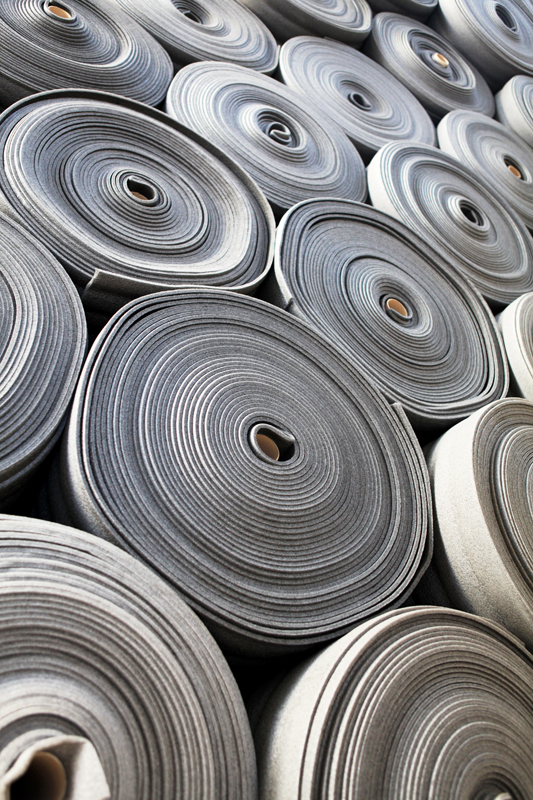
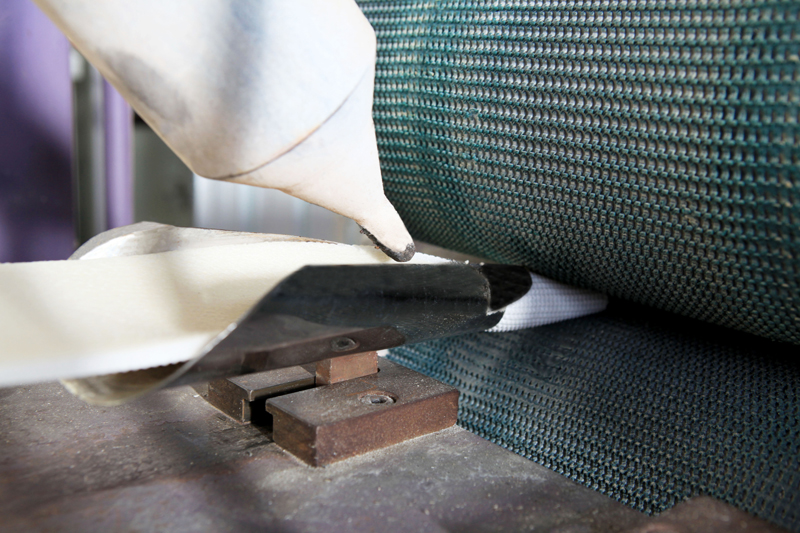
Slicing and dimensioning may sound like basic services, but in a factory they can save time, reduce waste, improve repeatability, and prevent the kind of small mistakes that become expensive when repeated thousands of times. If a packaging line needs foam strips of a specific width, asking operators to cut them manually is slow and inconsistent, while sliced foam prepared in advance can be used faster and more accurately. The official solutions page notes slicing in requested width and dimensioning by cutting width and height according to customer demand, which means customers can receive foam in forms that match their process rather than forcing their process to adapt to a standard roll. I often think of this as the difference between buying fabric and buying ready cut pattern pieces; both begin with material, but only one is ready for smooth assembly ✂️.
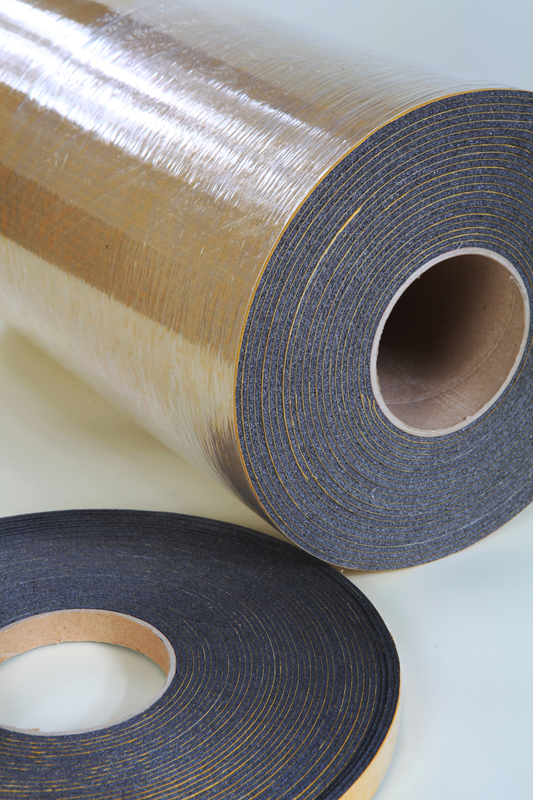
This matters in industrial packaging, electronics, white goods, automotive, construction, HVAC, and medical applications where foam parts must repeat the same size again and again. Custom dimensioning can create plates, pads, separators, layers, liners, spacers, and inserts that fit product geometry more accurately. Slicing can support adhesive foam tapes, edge protectors, narrow insulation strips, sealing pieces, or small protective lines used in assembly. A pe foam manufacturer with this capability helps the production team reduce manual preparation, and that reduction can quietly improve both quality and cost, because less manual cutting usually means fewer errors, cleaner workstations, and better material utilization.
Custom Solutions Through Lamination and Adhesive Applications
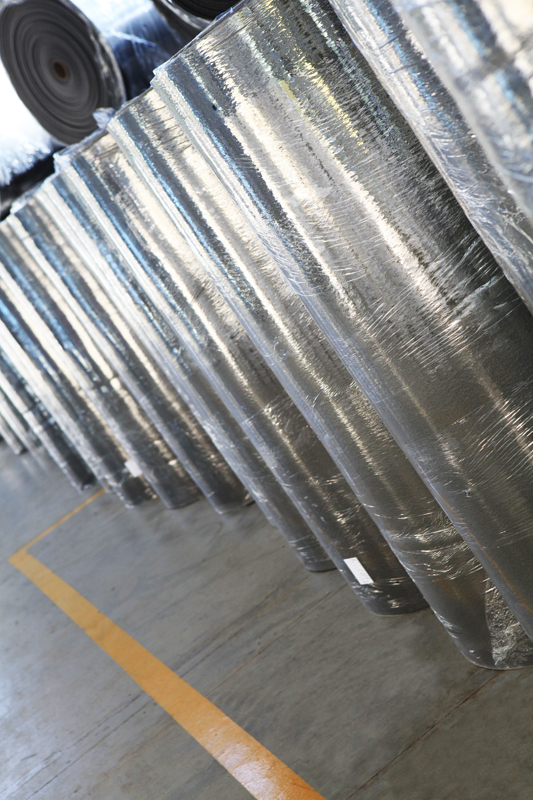
Patterning, perforation, and slicing become even more powerful when combined with lamination and adhesive tape options, because a foam part can then be given a specific surface, bonding behavior, thickness combination, color combination, or layered structure. The solutions page explains that lamination can paste PE foam materials with different characteristics such as size, density, and color onto each other through a special process without adhesive chemicals, and it can also cover PE foam with fabric, metallized material, decorative film, paper, or other layers to create a composite structure. This is very valuable in project specific work because one foam layer may provide cushioning, another may provide thickness, a film may improve surface appearance, and an adhesive layer may simplify mounting.
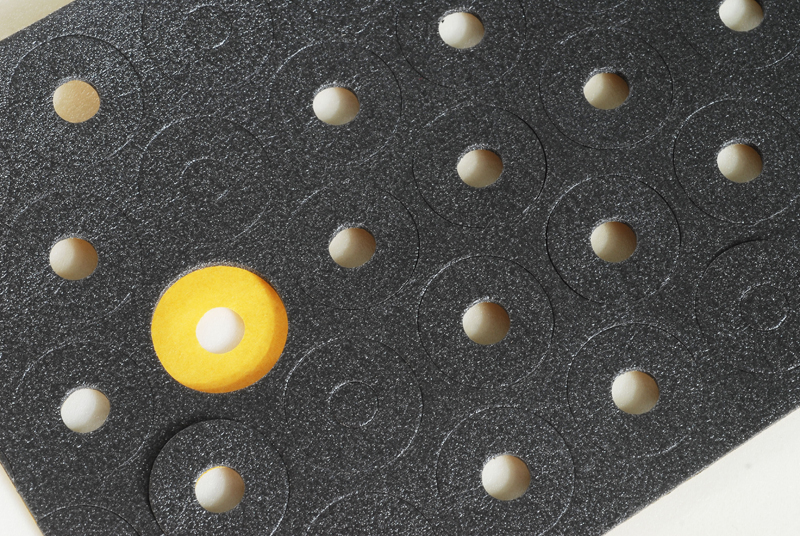
From my perspective, this is where Durfoam becomes a solution partner rather than only a raw material supplier, because a project might need a perforated foam with a laminated surface, a sliced foam strip with double sided tape, a patterned foam sheet in a specific color, or a custom plate cut to exact dimensions for a protective insert. A physically cross linked polyethylene foam manufacturer can support more refined applications where smoothness and stability matter, while a chemically cross linked polyethylene foam manufacturer can support durable technical applications where elasticity, insulation, and environmental resistance are central expectations.
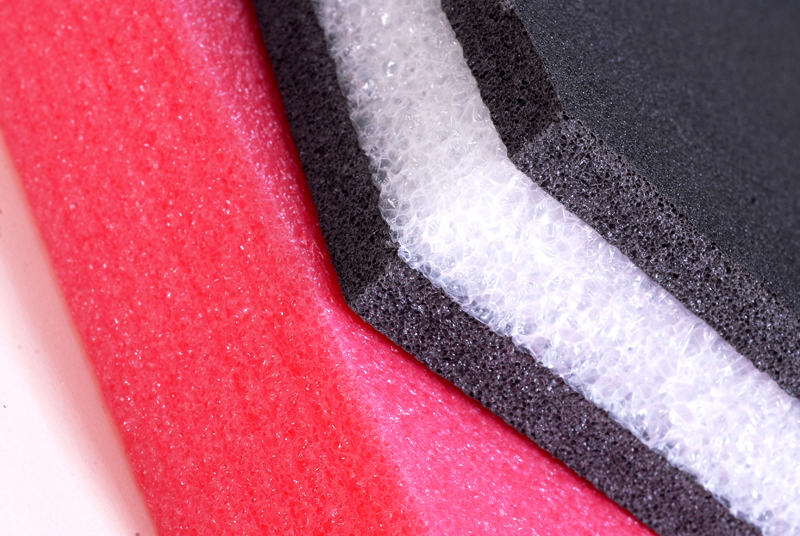
Example: Turning a Standard Foam Sheet into a Project Ready Part
Let me give a practical example. A manufacturer produces electronic control panels that must be protected inside export packaging, and the product needs a soft surface separator, a few ventilation openings, and adhesive positioning so the foam does not move during transport. If the company buys standard foam sheets, workers must cut the sheets, create openings, apply separate tape, place the pieces by hand, and correct mistakes throughout the shift. But if the foam is dimensioned, perforated, and supplied with an adhesive backed layer, the same protection becomes faster, cleaner, and more repeatable. This is not only a material improvement; it is a workflow improvement. The packaging line becomes calmer, the operator has less room for error, and the final package feels more professional when opened.
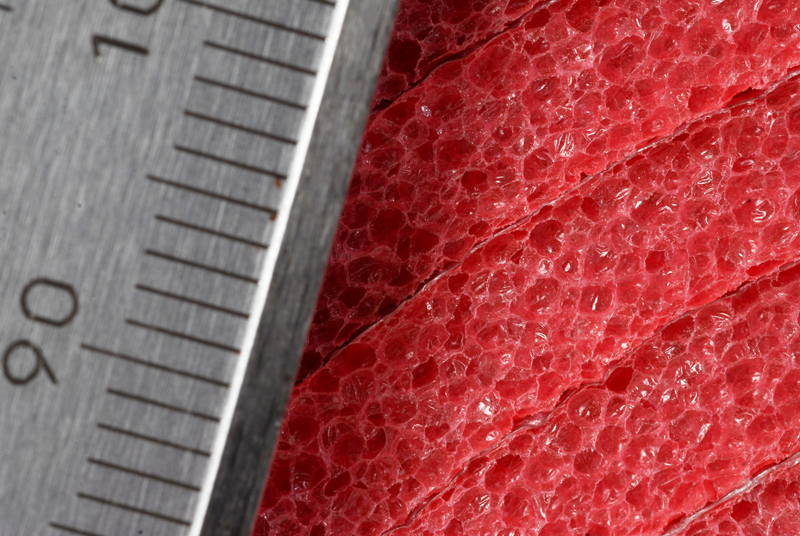
This example also shows why a project specific approach can reduce hidden costs. The unit price of a customized foam part may appear higher than raw foam at first, but the total cost can be lower when you count labor time, waste, rework, rejected parts, packaging inconsistency, customer complaints, and storage complexity. A polyethylene foam manufacturer that offers converting services helps companies make this full value comparison more clearly, and that is the kind of decision making I always trust more than simply choosing the cheapest roll on the shelf.
Where These Services Create the Most Value
In packaging, slicing and dimensioning help create separators, edge guards, pads, strips, and box inserts that fit the product more accurately. In sports and recreation, perforation can support drainage needs while patterned surfaces can improve contact behavior. In HVAC and construction, sliced strips and custom plates can simplify insulation and sealing tasks. In medical and healthcare products, precise cutting and smoother material selection can support cleaner inserts and better product organization. In automotive and railway applications, laminated and patterned foam parts can support acoustic, vibration, insulation, and surface protection needs. In shoes and bags, patterning and dimensioning can help create more comfortable and visually suitable components. This wide use potential explains why custom converting services are not a luxury; they are a practical bridge between material production and real product design.
At this point, the selection process should begin with the application environment. Will the foam face water, dust, shock, pressure, vibration, heat, cold, liquid drainage, repeated handling, or visible contact? Will it be used as a hidden insulation layer, a visible product component, a protective insert, a drainage layer, or an adhesive strip? Does it need a refined DurProx style structure, a durable DurSolex style performance profile, or an economical DurPack style packaging balance? By answering these questions early, Durfoam can help guide the project toward the most suitable foam family and the most useful converting method.
Key Insights for Project Specific Foam Solutions
The first key insight is that polyethylene foam performance depends not only on the raw material, but also on how that material is converted for the final use. The second insight is that patterning can improve surface behavior, visual identity, grip, and application suitability. The third insight is that perforation is especially useful when water or liquid drainage is required, because it adds planned openings while preserving many benefits of PE foam. The fourth insight is that slicing and dimensioning can reduce labor, waste, and inconsistency by delivering foam closer to the final production requirement. The fifth insight is that combining these services with lamination and adhesive tape can create more advanced project ready parts. The sixth insight is that a pe foam manufacturer, physically cross linked polyethylene foam manufacturer, and chemically cross linked polyethylene foam manufacturer perspective gives customers a broader material selection path instead of a one size fits all recommendation.
Conclusion: Custom Converting Turns Foam into a Real Solution
Patterning, perforation, and slicing services make polyethylene foam far more adaptable, practical, and valuable for project specific requirements, because they help transform standard foam materials into parts that fit real production conditions, real product geometry, and real performance expectations. Whether the goal is drainage, surface texture, easy application, exact dimensions, adhesive positioning, laminated structure, or production line efficiency, these services allow foam to become more than a protective layer; they allow it to become a designed component. For companies that care about quality, speed, consistency, and cost control, this difference matters deeply, because a well converted foam part can protect the product while also making the workflow cleaner and more predictable.
In the end, I see project specific polyethylene foam converting as the art of listening to what a product really needs, then shaping the material until it answers that need with confidence 😊. A plain sheet can be useful, but a patterned, perforated, sliced, dimensioned, laminated, or adhesive backed foam part can become a silent problem solver inside packaging, construction, HVAC, automotive, medical, sports, footwear, and industrial applications. With the experience of Durfoam, these services help customers move from standard supply to tailored performance, and that is exactly where polyethylene foam becomes not only a material, but a flexible production advantage.