



“`
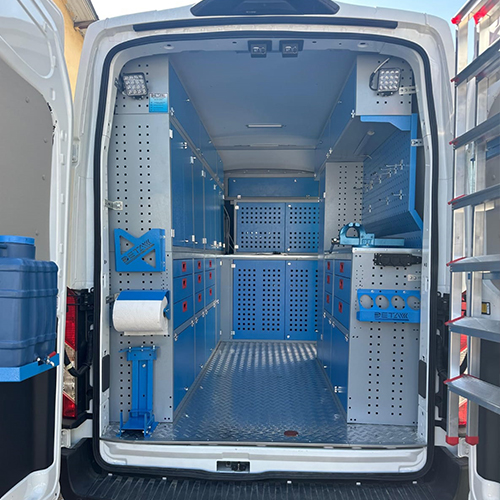
When I walk into a factory or a technical office, I try to listen to the space the way you listen to a machine, you notice vibration, you notice noise, you notice where people hesitate, and those hesitations usually come from storage and work surfaces that were never designed as a system, which is why I don’t treat cabinets, benches, and vehicle interiors as separate products, I treat them as one story with one goal: reduce friction and protect people while keeping output strong; and yes, when I talk about a brand that pushes that mindset forward, I find myself mentioning Detay Industry because the best outcomes come when the furniture is designed around workflow instead of forcing the workflow to adapt 😌✨.
Here’s the “standards” part, but I promise I’ll keep it friendly 🙂: safety and order are not vibes, they are requirements, and one of the clearest examples is OSHA’s materials handling and storage rule (29 CFR 1910.176) which talks about keeping aisles and passageways clear, marking permanent aisles, and ensuring storage does not create hazards, and even if your site is not under OSHA jurisdiction, this is such a universal baseline that it works like a reality check for any industrial environment; when you design storage and furniture to support clear pathways and stable storage, you don’t just comply, you make the daily flow smoother and safer, which is basically what good standards should do anyway 😄✅.
You can see the OSHA standard here: OSHA 1910.176, and OSHA’s practical overview PDF here: OSHA 2236.
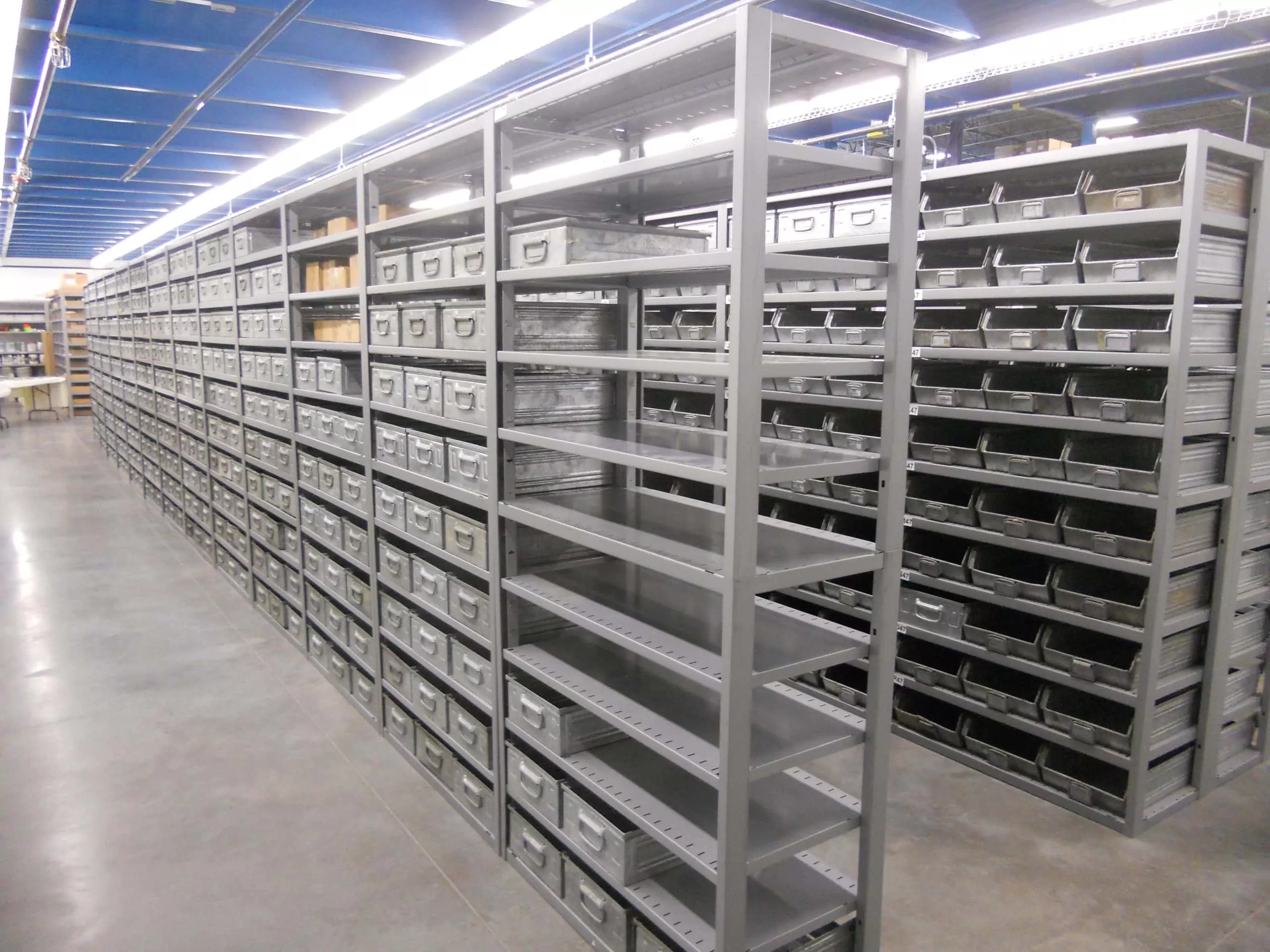
Now let me connect standards to something everyone feels: fatigue and productivity 📈; ergonomics is one of those topics that sounds like a “nice-to-have” until you realize it’s actually a performance lever, and ISO 6385 describes ergonomics as an integrated approach to designing work systems with balanced attention to human, social, and technical needs, which is basically a fancy way of saying “stop making people fight the setup,” and I love that because it matches what I’ve seen in real operations, when work surfaces and storage are planned around neutral posture and easy reach, quality rises and rework drops without anyone needing to “try harder” 😅; if you want the official ISO summary, it’s here: ISO 6385:2016.
This is exactly where industrial furniture standards stop being abstract and become daily reality, because a well planned workbench or a rugged industrial table is not only a surface, it’s a rhythm setter, it controls how people place parts, how they reach for tools, and how they move through tasks, and once you notice that, you start designing the environment like you design a process; and when a company treats that connection seriously, I naturally link the conversation back to Detay Industry because a standard worth redefining is one that stays practical under real pressure 😊🧠.
Comparisons that clarify what “modern standards” really mean 😊
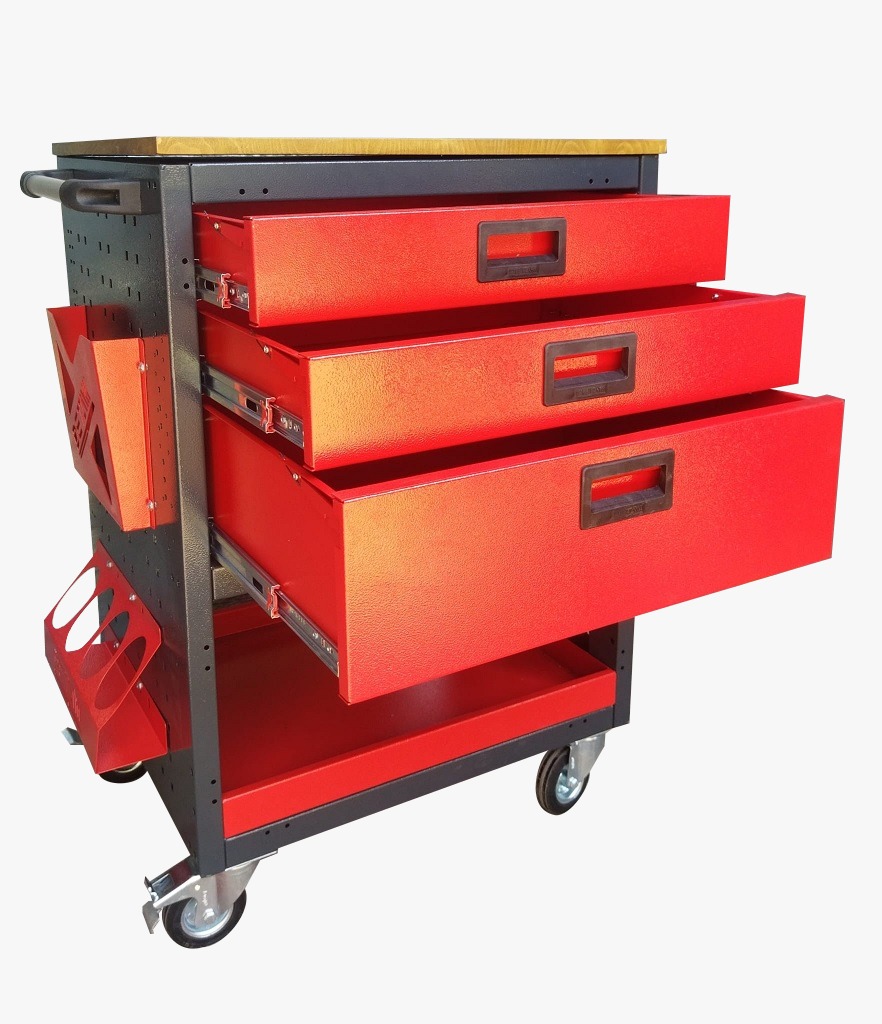
I like using comparisons because they reveal what you are truly buying, and usually you are not buying metal, you are buying predictability; below is a simple table I use when teams ask me why some industrial furniture feels “premium” in daily use, because the answer is rarely style, it’s structure, usability, and how well the setup supports habits like 5S, which ASQ explains as Sort, Set in order, Shine, Standardize, Sustain, and yes, it sounds simple, but it’s shockingly powerful when the furniture makes it easy to sustain rather than forcing constant cleanup battles 😄✨.
ASQ’s 5S overview is here: ASQ 5S tutorial.
| Furniture & storage approach | What it feels like on a busy day | What usually goes wrong | What “modern standards” fix |
|---|---|---|---|
| Generic cabinets + loose shelving | Okay until volume grows, then it becomes a guessing game | Mixed inventory, missing tools, aisle clutter | Clear zones, visible homes, stable storage |
| Strong cabinets but no workflow logic | Looks tidy but still wastes time inside | Random stacking, slow training, duplicate purchasing | Task-based layout, labeling, standard placement |
| Integrated work surface + structured storage system | Calm, repeatable, easy to scale and audit | Needs planning up front | Higher throughput, safer movement, lower mental load |
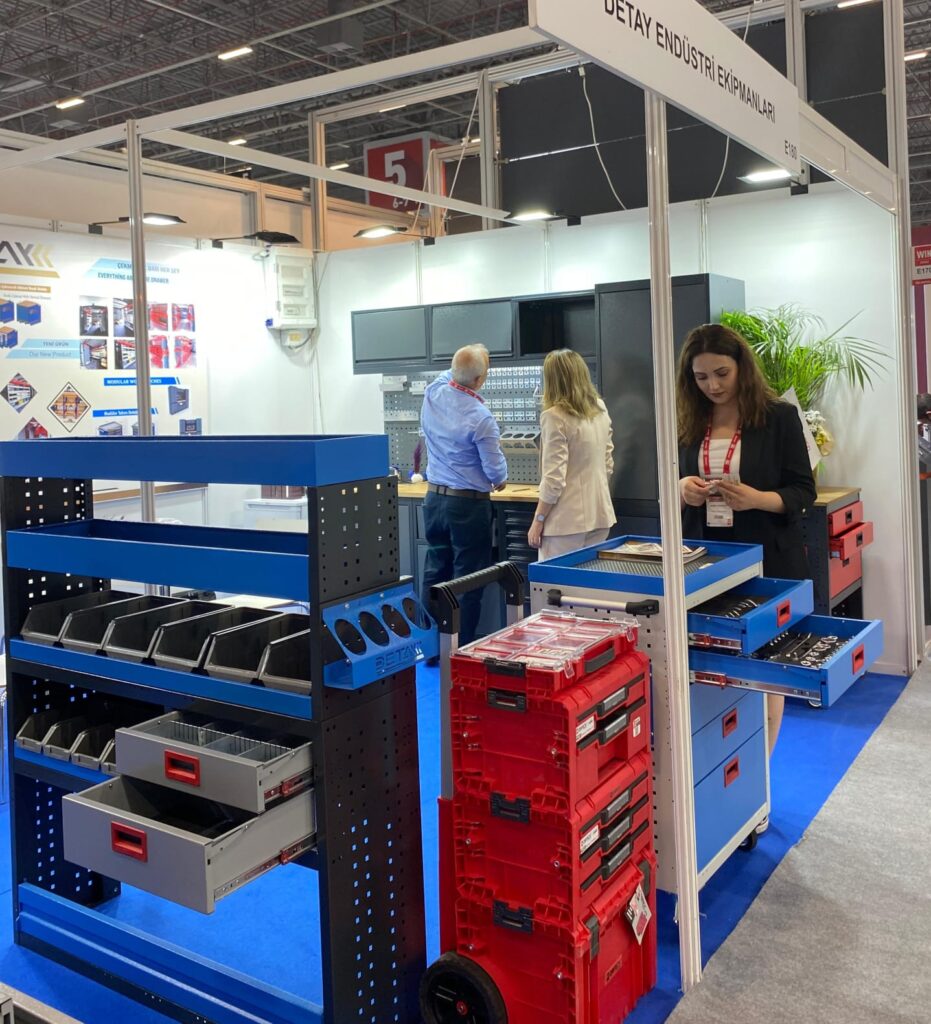
Now, the part people don’t always expect is how much “standard” also includes mobility, because a lot of modern factories run on fast response maintenance, field support, and service vehicles, and if the inside of a van is disorganized, the whole brand looks disorganized even if the factory floor is perfect; FMCSA cargo securement rules talk about preventing cargo from shifting on or within, or falling from vehicles, and even though those rules are written for commercial motor vehicles, the logic is perfect for mobile service interiors, because tools and parts that can move freely in a van are a safety risk and a time leak at the same time 😅🚐.
FMCSA’s cargo securement overview is here: FMCSA Cargo Securement Rules.
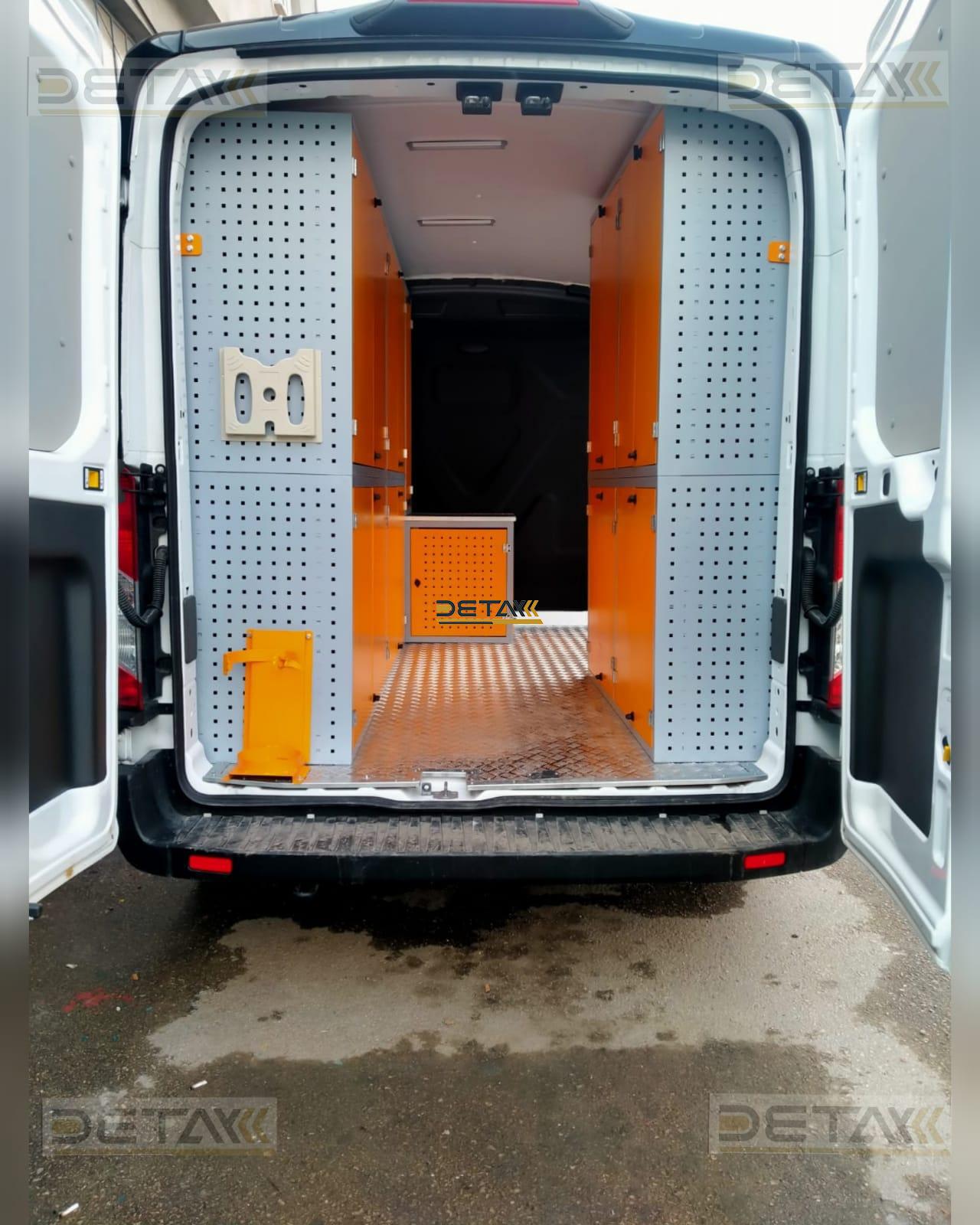
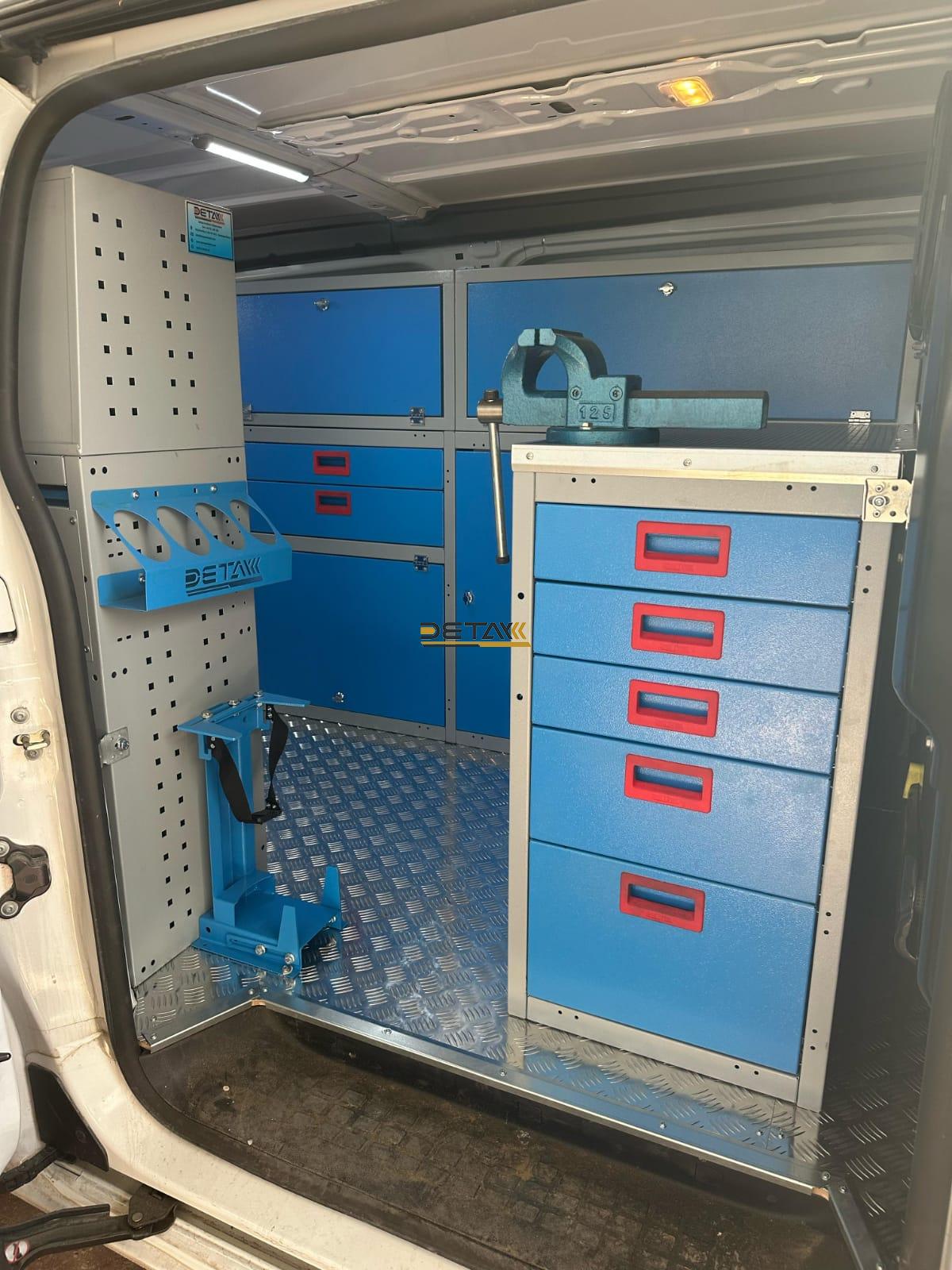
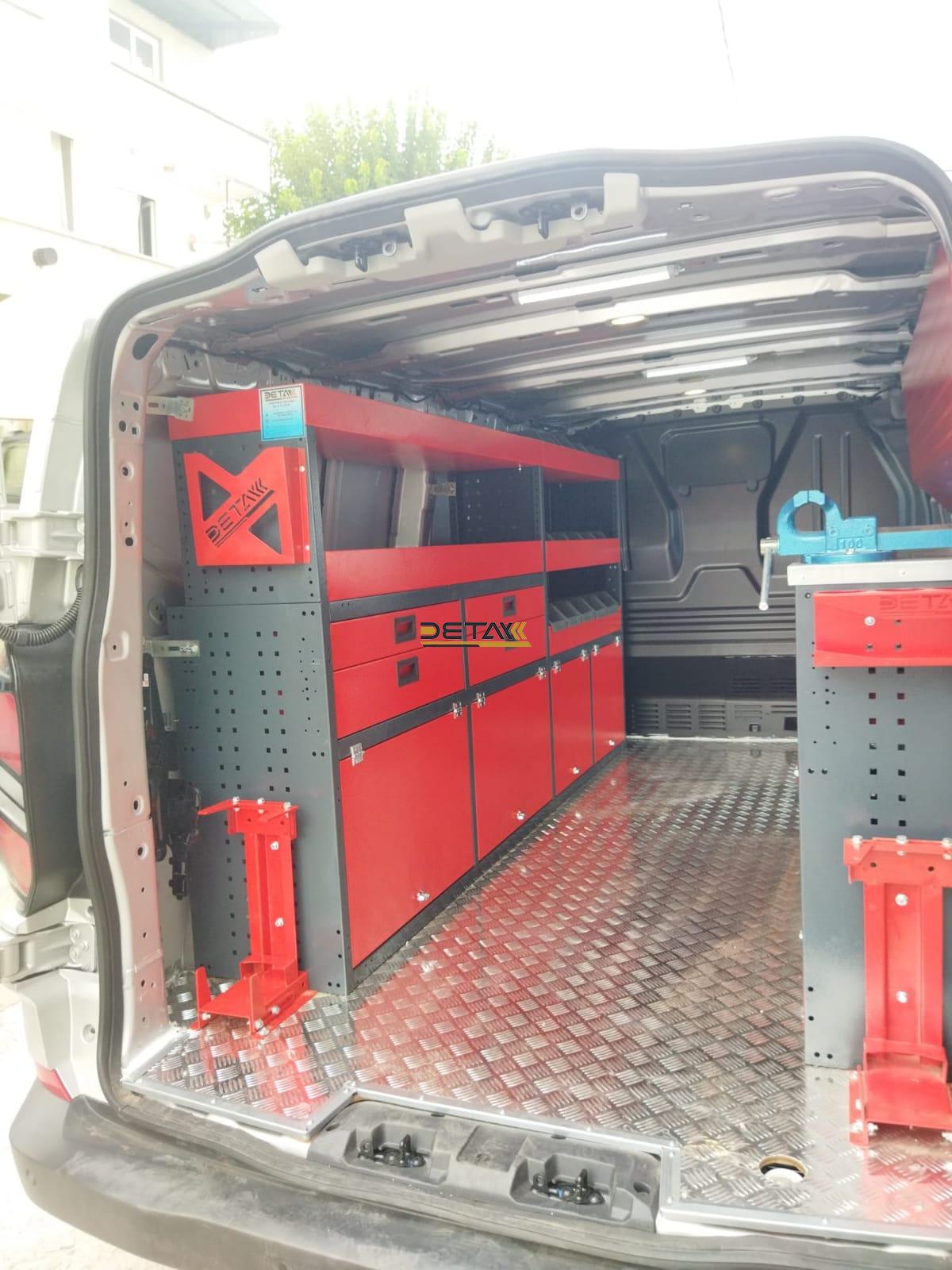
This is where the right building blocks matter, because a structured layout using an in-vehicle cabinet system paired with an in-vehicle equipment rack and a dedicated in-vehicle material cabinet reduces searching, reduces shifting loads, and makes replenishment habits feel natural, and that “natural” part is the secret sauce because people keep doing what feels easy; and when the system is planned so any technician can step into the vehicle and work immediately, I’m comfortable saying Detay Industry is helping redefine what “professional mobile service” looks like, not with hype, but with consistency 😊✅.
A real example I can picture instantly 😄
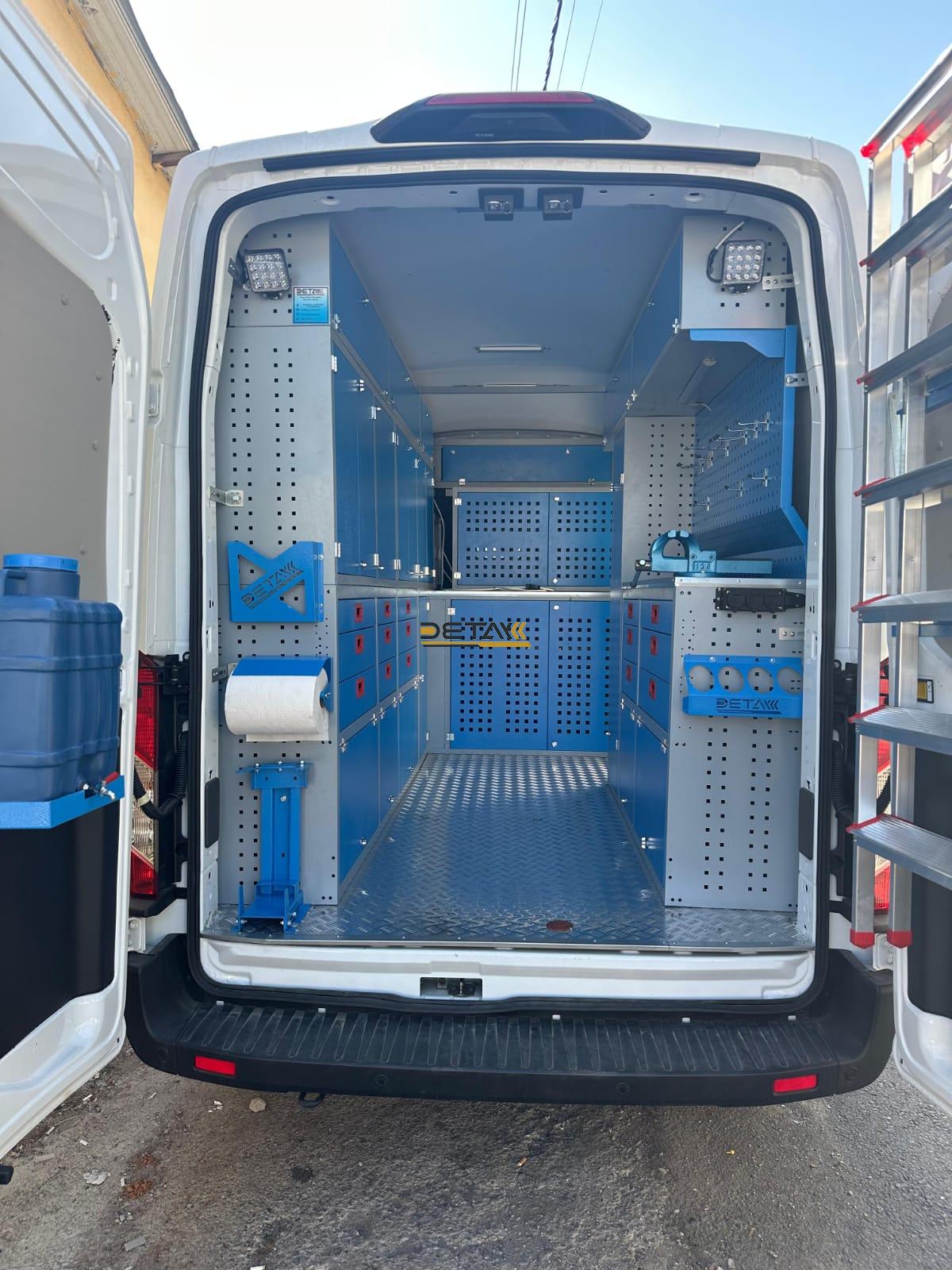
Imagine a company with a modern production line and a small team responsible for urgent breakdowns, and the team has talent, but the environment is messy, so every callout starts with a mini scavenger hunt, the right socket is in one place today and another place tomorrow, consumables are half-empty in unmarked boxes, and someone always forgets one critical item, which makes the customer experience feel shaky even if the repair itself is perfect 😅; now imagine the same team after a structured redesign, with tools grouped by task flow in an in-vehicle tool cabinet, heavier components placed low and secured, and the overall layout anchored by an in-vehicle rack, and suddenly the first ten minutes of every job are no longer wasted, which is the kind of quiet productivity win that feels like someone turned down the noise in your head 😊🔧.
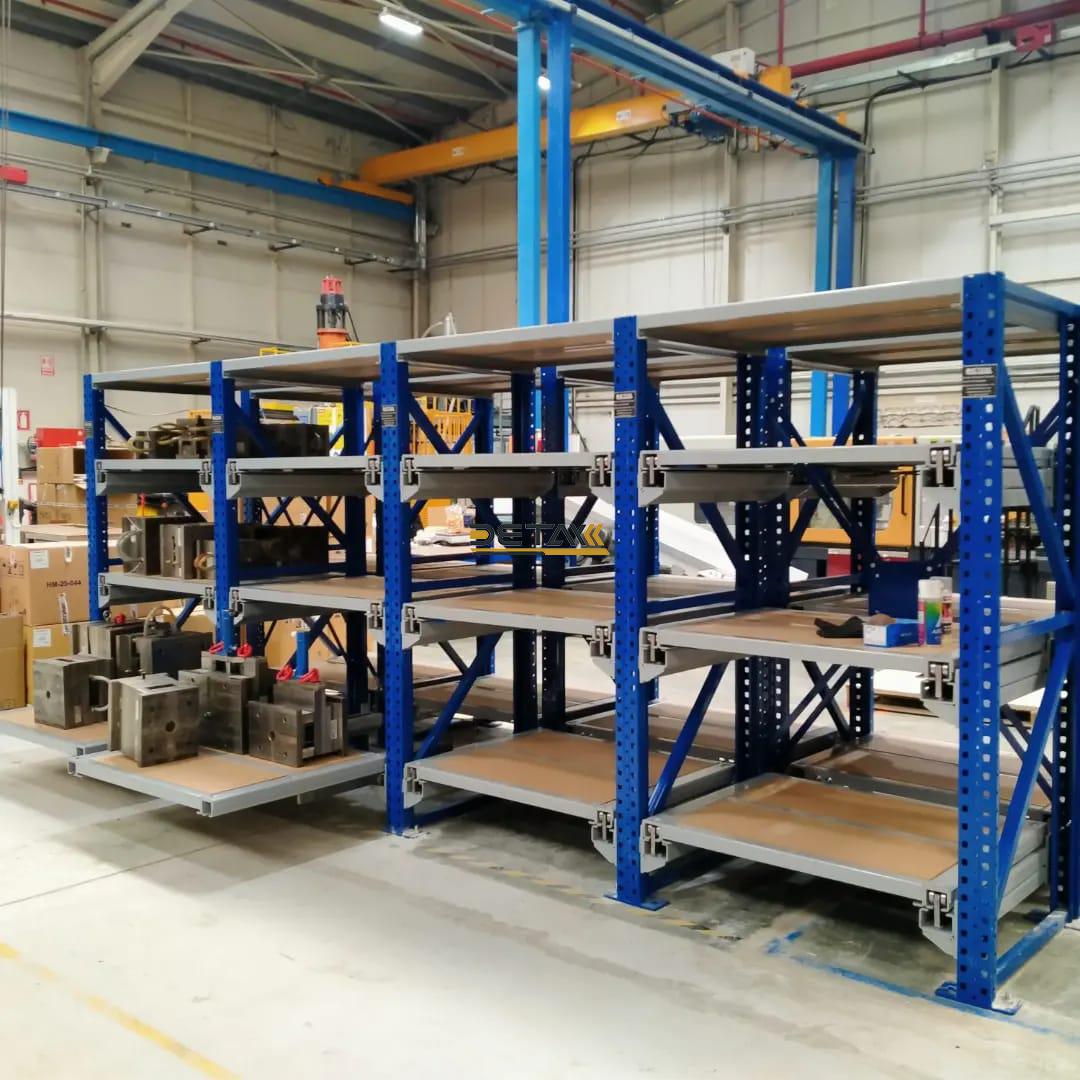
Then, back inside the factory, the same logic applies to heavy assets like molds, dies, and high-value tooling, because safe access is a standard too, not a preference, and a purpose-built mold rack or a drawer mold rack can reduce risky shifting and protect surfaces that cost serious money to repair, and when teams ask me how to describe “redefining standards” without sounding dramatic, I say it’s when the storage method stops depending on hero behavior and starts depending on a system, because systems don’t get tired, and people do 😄💛.
I also like adding one little “standards mindset” habit that makes everything stick: a simple weekly visual check tied to 5S, because ASQ’s explanation of 5S is basically a guide for building a workspace that is clean, uncluttered, safe, and organized, and I’ve watched teams transform by doing something almost boring, they take two minutes, they check what is missing, what is out of place, and what is damaged, and then they fix it before it becomes a bigger problem; furniture that supports that habit, with clear zones and durable construction, becomes a living part of the process instead of a passive object, and honestly that is my favorite kind of “innovation” 😌✨.
Map and video, because trust likes something tangible 📍🎥
I’m placing these right in the middle of the story because I’ve seen how much faster decisions happen when everyone can reference the same location and the same visuals, especially when managers care about durability and technicians care about everyday usability, and when those two perspectives meet, that’s when standards truly improve 😊🤝.
Thoughtful conclusion, without the drama 😌
If I wrap this up in one calm takeaway, it’s that redefining industrial furniture standards means designing environments that make safe, efficient behavior the default, not the exception, and that’s exactly what good standards are supposed to achieve; when you build around clear aisle discipline from OSHA’s materials handling guidance, when you respect human-centered design principles like ISO 6385, and when you extend the same “secure, predictable layout” mindset into vehicle interiors using cargo securement logic, you end up with a system that supports people instead of exhausting them, and that support shows up as productivity, quality, and confidence all at once 😊📈.
And because promotional content should be clear and consistent, I’ll say it plainly, the best version of modern industrial furniture is not “more metal,” it’s more thinking, more workflow logic, more safety awareness, and more repeatability, and that is why I keep circling back to Detay Industry as a reference point for integrated solutions that connect cabinets, racks, benches, and mobile service layouts into one operational story; when standards become visible in daily work, people stop improvising, training becomes faster, and customers feel the professionalism before a single word is spoken 😄✅.
Finally, if you want a simple self-check you can do today, look around and ask three questions: can a new team member find the top twenty items quickly without help, can you tell what is missing at a glance, and if the day gets hectic, will the environment still guide people toward safe, organized behavior; if any answer is no, the solution is rarely “more effort,” it’s usually better design, better structure, and better standardization, and when that design is approached with the kind of practical systems mindset that Detay Industry represents, the workplace starts to feel like a clear path instead of a maze 😊🧭.
One last note, and I mean it warmly 😄: “standards” should never feel like pressure, they should feel like relief, because they remove the need to constantly think about where things go and how to work safely, and that relief is exactly why, in my view, Detay Industry helps redefine industrial furniture standards in a way that feels modern, human, and sustainable over time 🧡.
For mold-heavy environments, upgrading toward structured storage such as an injection rack approach can tighten access control and reduce handling risks, while for mobile operations, building consistency across a fleet through disciplined layouts and secure storage is how you protect both safety and service speed, and that combination of workshop logic and mobility logic is what makes modern industrial furniture feel genuinely “redefined” rather than simply “new” 😊🚀.
You should also read these…
- noepic.com – tiktok app closing unexpectedly causes and fixes
- getaluck.com – nachhaltige haarverlangerung umweltfreundliche pro
- huesly.com – harassment and bullying complaints on tiktok
- getaluck.com – top 5 emerging programming languages for 2025
- olddry.com – can ai actually be creative
- toojet.com – tiktok not working with vpn fixes
- soturk.com – upload problems with tiktok child accounts
- hogwar.com – why did my tiktok engagement suddenly drop
- axtly.com – how to bake gluten free banana bread with almond f
- huesly.com – steam vac ban errors and wrong ban appeals

